
The Dark Side of Youth Sports: The Predator in the Church Basement
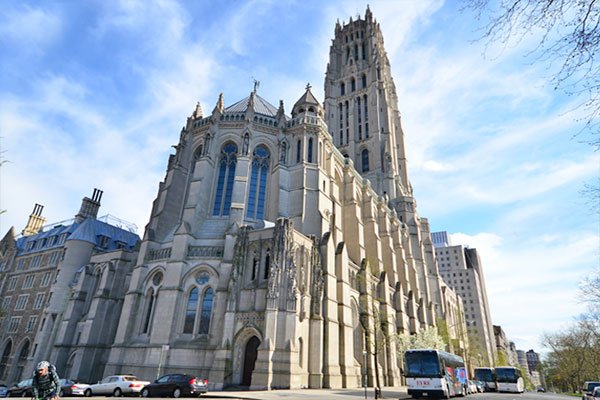
New York’s Riverside Church
Shadows Over Riverside Church
In recent times, the Riverside Church has found itself at the center of a troubling narrative that has sent shockwaves throughout the youth sports community. The emergence of a millionaire pedophile who preyed upon the vulnerable within the church’s youth sports programs raises serious questions about the systems of safeguarding and oversight in place in such institutions. This alarming case has been brought to light by investigative efforts from Rolling Stone and Sportico, and it has profound implications for the youth sports industry at large.
The intertwining of a respected institution like Riverside Church with the darker aspects of human behavior underscores significant vulnerabilities within youth sports organizations. Often viewed as a sanctuary for development, guidance, and community engagement, these institutions can inadvertently become breeding grounds for exploitation when adequate protective measures are not enforced. The exploitation of trust placed in these organizations makes such cases particularly heinous, leaving irreparable damage in their wake.
This scandal about Riverside Church serves as a critical reminder of the necessity for rigorous vetting, transparent operational practices, and strict accountability within youth sports programs. Investigative outlets like Rolling Stone and Sportico play a crucial role in this narrative; their findings encourage parents, guardians, and stakeholders to delve deeper into the environments where children engage in athletic activities.
As the investigation unfolds, it brings to light not only the predatory actions of individuals but also systemic failures that allowed such behavior to flourish undetected. The implications extend far beyond Riverside Church itself; they should compel a broader examination of how youth sports programs are governed and monitored. This entire situation serves as a cautionary tale for communities hoping to foster safe and nurturing environments for their youth.
The Rise of the Predator: Who Was He?
The figure at the center of the controversy emerged from humble beginnings, ultimately cultivating a façade of respectability that enabled his ascendancy within the church community. A charismatic individual, he was known for his charming demeanor and compelling speeches, which resonated deeply with both the youth and their families. His ability to connect with the congregation and local families fostered an environment of trust, making him a familiar and trusted presence in the lives of many.
To better understand how he achieved such wealth and influence, it is essential to examine the strategic relationships he formed. He increasingly ingratiated himself with church leaders and families, positioning himself as a mentor and role model to young athletes. His seemingly altruistic endeavors, such as organizing youth sports programs, were lauded by parents and community members alike, contributing to his growing prominence within the community. This clever manipulation of social dynamics allowed him to operate discreetly, all while developing a network of supporters who were unaware of his ulterior motives.
Moreover, his financial acumen played a pivotal role in his rise. By leveraging resources and donations from enthusiastic patrons, he expanded his influence beyond the local church. His ventures included sponsorship of youth sports events and the establishment of camps, which further ingratiated him with families eager for their children to benefit from his guidance. This atmosphere obscured the predator’s darker intentions, creating an inviting space where he could groom vulnerable athletes for exploitation. His understanding of youth culture and psychological manipulation rendered him adept at targeting those who were most susceptible, effectively masking his malevolent goals behind the veneer of a devoted mentor. It is within this context that we can begin to comprehend the true danger he posed, shrouded in the guise of community leadership.
The Church’s Role: A Sanctuary or a Shield?
Riverside Church has long stood as a pillar of support within its community, offering a space for worship and youth activities that are essential in nurturing the fabric of local society. However, recent revelations have cast a shadow over its role, particularly concerning the safeguarding of its younger congregants. The alarming rise of child predation within secure spaces presents a critical examination of the church’s leadership and their responsibilities in ensuring a safe environment for all children.
Historically, religious institutions have been seen as sanctuaries where families can foster spiritual growth and community involvement. Yet, the intersection of faith and accountability remains increasingly complex. In the case of Riverside Church, leadership has been accused of prioritizing the institution’s reputation over the security of its children. Instances of neglect in reporting suspicious behavior or insufficient vetting processes for youth sports programs illustrate a broader systemic failure. These oversights have often shielded predators rather than protecting the innocent.
The relationship between community safety and religious institutions is paramount. It raises critical questions about the oversight mechanisms that ought to be in place. Are church leaders equipped to handle allegations of misconduct? Are they adequately trained to recognize and respond to signs of abuse? Furthermore, the church must offer a transparent process for accountability to restore trust among its congregation. The unwarranted shield afforded to assailants in such environments not only endangers youth but undermines the moral integrity of the institution itself.
As communities continue to rally for reforms in youth sports and safeguarding measures, it becomes imperative for Riverside Church and similar organizations to introspect and transform their policies. Establishing robust oversight that prioritizes the welfare of children will ultimately determine whether the church remains a sanctuary or risks becoming an unwitting shield for predators.
The Youth Sports Industry: Building a $40 Billion Empire
The youth sports industry has transformed into a significant economic force, generating an estimated $40 billion annually in the United States alone. This expansive market encompasses numerous elements, including tournaments, training programs, leagues, and various sporting goods. The financial incentive to engage children in sports has led to the commercialization of youth athletics, creating a landscape in which profit often takes precedence over the well-being of young athletes.
Sponsorship deals with major corporations and brands have proliferated, elevating youth sports events into lucrative platforms for marketers. Companies invest heavily to capture the attention of young athletes and their families, viewing these relationships as a means to foster brand loyalty from an early age. This environment of sponsorship and advertising has a dual effect; it not only inflates costs for families but also intensifies competitive pressure on children, making participation in sports less about play and more about performance and marketability.
Moreover, the rise of media marketing in youth sports cannot be overlooked. Social media channels and streaming platforms have become outlets for showcasing young talent, leading to both increased visibility and the potential for exploitation. Young athletes are now often thrust into the limelight, where they may encounter varying degrees of scrutiny and pressure. This shift towards a performance-centered paradigm has demonstrated a concerning trend where stakeholders prioritize financial gain over the development of healthy, skill-based recreational activities.
As youth sports continue to evolve into a multi-billion-dollar enterprise, it is crucial to acknowledge the societal implications of this commercialization. The intersection of profit and exploitation brings to light numerous ethical questions regarding the treatment of child athletes. The industry stands at a crossroads where the need for reform becomes evident. Stakeholders, including coaches, parents, and governing bodies, must be vigilant in safeguarding the interests of young athletes while navigating the opportunities that this burgeoning market presents.
The Aftermath: Lives Shattered and Lost Trust
The ramifications of abuse in youth sports are far-reaching and often devastating, leaving victims and their families to grapple with a profound sense of loss and trauma. When an incident of sexual abuse occurs, the immediate fallout can result in a chaotic environment filled with disbelief, anger, and confusion. Victims may experience feelings of isolation, guilt, and shame, exacerbating the psychological toll of their experiences. The sense of safety that once accompanied participation in sports is abruptly shattered, leaving individuals questioning their worth and the intentions of those around them.
Psychologically, the impact of such traumatic events can manifest in various ways, including anxiety, depression, and post-traumatic stress disorder (PTSD). Victims often find themselves revisiting the moments of their abuse, grappling with overwhelming memories that can disrupt daily life. The trauma may hinder their ability to engage in healthy relationships, causing profound difficulties in interpersonal dynamics with peers, family, and trusted adults. This erosion of relationships often leads to a cycle of mistrust, making it challenging for victims to find solace or support in their immediate environments.
Moreover, the abuse shatters the bonds of trust between families and institutions, particularly those meant to provide safety and guidance for youth. Parents may lose faith in the very systems designed to protect their children, resulting in heightened vigilance and skepticism about future involvement in organized sports. The broader community is often left divided, as allegations surface and investigations unfold, leading to a general atmosphere of distrust toward officials and volunteers alike. For families affected by abuse, the journey toward healing is immensely complicated, as they must navigate the challenges of rebuilding trust while addressing the enduring psychological scars left behind.
Investigative Journalism: Uncovering the Truth
In recent years, the field of investigative journalism has played an essential role in unveiling the dark undercurrents within youth sports. Notably, publications such as Rolling Stone and Sportico have dedicated considerable resources to digging deep into allegations of misconduct, abuse, and negligence that often lurk beneath the surface of these organizations. The complex world of sports, filled with both prestige and power, presents unique challenges for journalists striving to expose uncomfortable truths.
Rolling Stone, known for its cultural commentary and in-depth reporting, has pivoted its focus toward exposing systemic issues that affect young athletes. Through thorough research, interviews with victims, and the examination of court documents, the publication has brought critical attention to the predators that operate under the guise of mentorship and coaching. Sportico, on the other hand, integrates an analytical approach to reporting on sports finance and management, which has proven crucial in dissecting the economic and institutional frameworks that enable abuse. By spotlighting these structures, both publications have driven conversations about accountability and reform within youth sports.
One of the significant hurdles faced by these journalists is the inherent resistance from established institutions. Many sports organizations prioritize reputation over transparency, often opting to suppress negative information rather than address it head-on. This veil of secrecy can create an environment where abuse is not only tolerated but allowed to persist unchecked. Furthermore, journalists may encounter legal threats and public backlash when they publish their findings, making their tenacity pivotal in the ongoing struggle for justice.
Despite the challenges, the efforts of dedicated investigative reporting remain vital in shining a light on the often-overlooked realities of youth sports. By holding powerful figures accountable, publications like Rolling Stone and Sportico encourage a reckoning that could lead to transformative changes in youth athletic programs, ultimately prioritizing the safety and well-being of young athletes.
Legal Consequences: Navigating the Judicial System
The intersection of youth sports and the safety of children presents complex legal challenges, particularly when it comes to addressing the actions of predators. When allegations arise regarding inappropriate conduct within a church basement or any other setting, the legal ramifications can be significant for both the perpetrator and the organization involved. Criminal charges can vary widely, depending on the severity of the offenses. These charges may include sexual assault, child exploitation, or other related criminal activities, leading to potential incarceration and lifelong repercussions for the offender.
In addition to criminal liability, victims of abuse often pursue civil lawsuits against the perpetrator as well as the church or organization that provided oversight. These lawsuits typically focus on negligence, arguing that the organization failed in its duty to protect children. Legal precedents in such cases underscore the importance of proper vetting, background checks, and training provided to those working with minors. Consequently, the church’s failure to implement effective safeguards can lead to financial damages that impact its operations and reputation.
Moreover, the legal system has witnessed ongoing reforms aimed at enhancing the protection of children in sports and holding organizations accountable. Lawsuits and public outcry have spurred legislative changes that promote increased transparency and accountability within youth sports organizations, including mandatory reporting laws and the development of child protection policies. These reforms are designed to create a safer environment for young athletes, prioritizing their safety above all else. As legal frameworks continue to evolve, it becomes crucial for organizations to remain vigilant and proactive in addressing these issues.
Ultimately, navigating the judicial system in cases of abuse within youth sports involves a delicate balance of justice for victims, accountability for offenders, and reformative measures to prevent future occurrences. Maintaining this balance is essential for fostering a safe environment for children engaged in sports.
Moving Forward: Changes Needed in Youth Sports
Addressing the dark realities within youth sports necessitates a comprehensive reevaluation of existing practices and policies. It is critical that organizations implement stricter oversight mechanisms to foster safer environments for children. One potential solution is the establishment of a centralized regulatory body tasked with monitoring youth sports programs, ensuring compliance with safety guidelines, and conducting regular audits to assess the effectiveness of child protection policies. This oversight would help build a structured framework where accountability is prioritized, allowing for prompt interventions when any irregularities are detected.
Furthermore, the development of robust child protection programs is essential. These programs should not only be designed to raise awareness about potential risks but should also actively engage children, coaches, and parents in dialogues regarding safety practices. Regular training sessions centered around recognizing and preventing abuse can significantly empower participants to identify concerning behaviors and report them effectively. By integrating these educational components into every level of youth sports, we can help instill a culture of safety that permeates through all activities.
In addition to systematic changes, the role of adults in positions of power cannot be overlooked. Coaches, organizers, and volunteers often serve as the first line of defense against abuse. Therefore, it is vital that these individuals undergo thorough background checks and receive proper training in ethics and safeguarding measures. Establishing clear protocols for reporting abuse, along with protections for whistleblowers, can encourage individuals to speak out without the fear of repercussions.
Ultimately, moving forward requires a collective commitment from parents, organizations, coaches, and the community as a whole to instill a safe and supportive environment that prioritizes the well-being of every child involved in youth sports. By enacting these necessary changes, we can work toward a system that not only promotes athletic development but also safeguards against the potential perils lurking within the shadows.
Conclusion: A Call to Action
The issues of abuse within youth sports and religious organizations underscore a disturbing reality that demands our immediate attention. As we have examined throughout this discourse, these environments, designed to foster growth, learning, and teamwork, can sometimes serve as breeding grounds for exploitation and harm. It is imperative that we remain vigilant, recognizing the signs of predatory behavior and understanding the mechanisms that allow such actions to persist.
We must advocate for better policies and practices that prioritize the safety of children in all institutions. This includes implementing thorough background checks for coaches and volunteers, establishing clear reporting procedures for any suspected abuse, and promoting an environment where children feel safe to speak up about their experiences. Awareness campaigns aimed at educating parents, children, and community members about their rights and the resources available to them are essential to combat these insidious issues.
Furthermore, it is critical to foster a culture of accountability within sports and religious organizations. This means actively encouraging discussion and scrutiny of practices that may inadvertently silence victims or enable abusers. Engaging in open dialogues about power dynamics, consent, and respect can empower young athletes and congregants, equipping them with the tools to resist and report inappropriate behavior.
The time for complacency is over; we must hold institutions accountable and demand transparency in their operations. Together, as a community, we can take action to ensure that every child enjoys a safe, supportive, and nurturing environment where their physical and emotional well-being is held paramount. By uniting in our efforts, we can help eradicate the dark side of youth sports and religious institutions, fostering a future where every child can thrive without fear.