Unveiling Hidden Wisdom: The Discovery of Two Unknown Sermons by St. Augustine
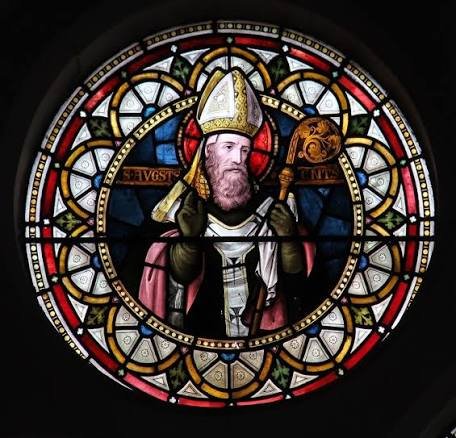
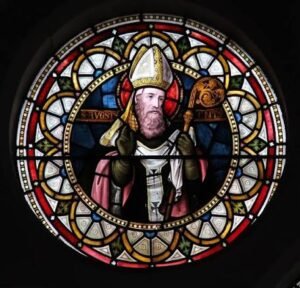
Saint Augustine stained glass
The Sermons Time Forgot: Inside the Rediscovery of St. Augustine’s Lost Words
Imagine a voice silenced for over a millennium suddenly speaking again — in the same words, the same cadence, the same urgency it had the day it was first preached. That’s essentially what happened when researchers confirmed that two sermons buried inside a medieval manuscript were the work of St. Augustine of Hippo, one of Christianity’s most towering minds.
It’s the kind of find that makes historians sit up a little straighter in their chairs.
Why a 1,600-Year-Old Voice Still Matters
Augustine wasn’t just another bishop with a knack for writing. Born in 354 AD in what is now Algeria, he lived a life that read almost like a spiritual thriller — restless ambition, a famously wayward youth, and a conversion so dramatic it became the subject of his own memoir, Confessions. That book, along with his sprawling City of God, didn’t just shape Christian theology; it helped shape the intellectual DNA of the entire Western world.
So when something new turns up in his name, it’s not a footnote. It’s a chance to hear a founding voice of Western thought say something we’ve never heard before.
A Dusty Manuscript, A Sharp-Eyed Historian
The story starts, as these stories often do, in a place easy to overlook: Bad Doberan Abbey in Germany, home to a stash of medieval manuscripts that had sat largely unbothered for centuries. Researcher Christian Tornau was combing through this collection when something caught his attention — texts that had been quietly filed away as minor, forgettable theological writings.
Tornau’s instincts told him otherwise. The age of the manuscript and its stylistic fingerprints bore an uncanny resemblance to Augustine’s confirmed body of work. That hunch kicked off a rigorous authentication process:
- Paleographic analysis — comparing the handwriting and script style against verified Augustine manuscripts
- Linguistic comparison — checking vocabulary, sentence rhythm, and rhetorical style against his known writings
- Thematic cross-referencing — matching the ideas in the sermons against Augustine’s established theological positions
Piece by piece, the evidence stacked up. What emerged wasn’t a guess or a hopeful attribution — it was a case built the way historians build cases: slowly, skeptically, and only accepted once it held up from every angle.
What Augustine Says This Time
So what’s actually in these sermons? Three threads stand out.
Grace, but more alive. Augustine’s theology of grace is nothing new — it’s one of his signature contributions to Christian thought. But here, grace isn’t just a divine concept floating above human life. It’s described as an active force, something that reaches directly into a person’s will and reshapes their choices in real time.
Faith and reason, rewired. Augustine spent his career trying to reconcile philosophy with belief. In these sermons, he pushes that project further, framing faith not as reason’s rival but as its foundation — the ground that has to exist before reason can even begin to make sense of divine truth.
Church as community, not just doctrine. Perhaps the most striking thread is how these sermons frame Christian life as fundamentally communal. Salvation isn’t a private transaction between an individual and God — it’s something worked out together, in worship, in support, in shared life. It’s a pointed counterweight to more individualistic readings of Augustine that have circulated over the centuries.
Why This Discovery Outlives the Headlines
It’s tempting to file this under “interesting historical trivia” and move on. But the implications run deeper than that.
For theologians, these sermons are a fresh data point in long-running debates about grace, free will, and the nature of God — debates that are very much alive in churches and seminaries today. For historians, it’s a reminder that the archive is never really closed; there are still manuscripts sitting in monastery libraries and dusty collections waiting for someone to look twice.
And for anyone who’s ever found Augustine’s ideas useful in wrestling with faith, doubt, or the tension between individual belief and communal life — these sermons are an invitation to keep listening. Sixteen centuries later, it turns out he wasn’t finished talking.