Exploring Virtual Reality Ministry: The Future of Evangelism and Fellowship
virtual reality church
Church Without Walls: How Virtual Reality Is Quietly Reshaping Faith
Picture this: someone puts on a headset in their living room in Ohio, and a second later they’re standing shoulder to shoulder with a small group in Nairobi, a study leader in Manila, and a handful of strangers-turned-friends scattered across four continents — all inside a room that doesn’t physically exist anywhere on Earth. No flights. No time zones to fight. Just presence.
That’s the strange, promising, slightly uncanny frontier that VR ministry is building right now.
Faith Meets a New Kind of Room
VR ministry isn’t really about the technology — it’s about what the technology makes possible. At its heart, it’s an attempt to answer an old problem with a new tool: how do you gather people together when distance, mobility, geography, or circumstance keeps pulling them apart?
Virtual reality offers a strange kind of answer. Instead of watching a livestream on a flat screen, participants step into a space — a 3D sanctuary, a recreated biblical landscape, a quiet circle of avatars bowed in prayer. It’s less “watching church” and more “being somewhere.” And that distinction turns out to matter more than it sounds.
For a generation that already spends much of its social and emotional life inside digital worlds, this isn’t a gimmick — it’s a language they already speak fluently.
Walking Into the Story Instead of Just Hearing It
Evangelism has always relied on storytelling. VR just changes where the listener stands while the story unfolds.
Some ministries — Cru among them — have started experimenting with VR experiences that don’t just describe scripture but let people walk through it. Instead of imagining what it might have felt like to stand at the edge of a biblical scene, users are dropped directly into it. That shift, from imagining to experiencing, seems to unlock a different level of emotional and spiritual engagement.
Missionary groups have picked up on this too, setting up VR stations at fairs, events, and busy urban corners. It’s a quieter, less confrontational way to spark curiosity — instead of a conversation someone has to opt into, it’s an experience they can simply try on, literally, headset first.
Community That Doesn’t Care Where You Live
Here’s where things get genuinely interesting: fellowship.
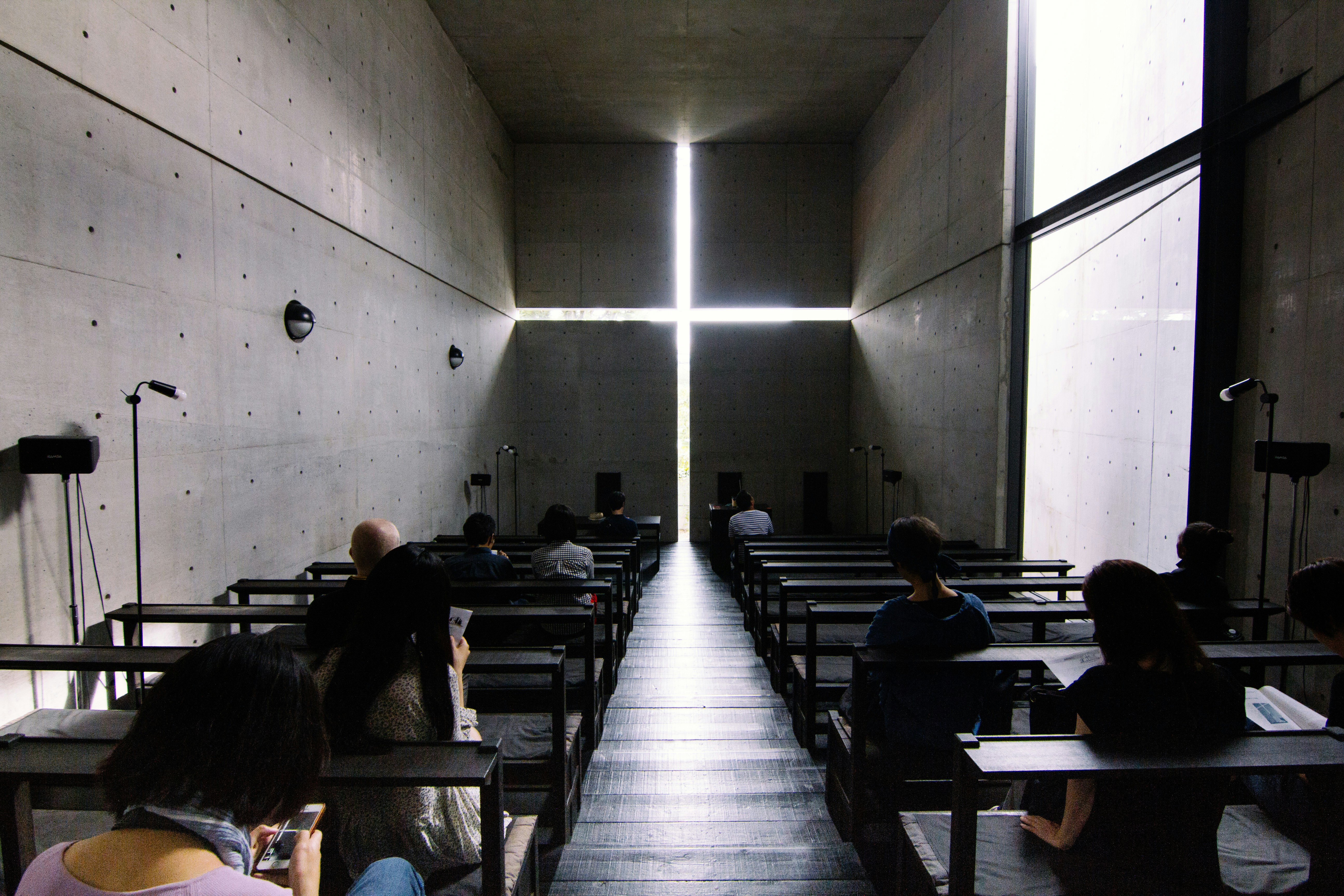
Online worship gatherings in VR let people pray, sing, and study scripture together in real time, inside environments designed to feel warm and immersive rather than sterile. A digital sanctuary. A quiet forest clearing. Whatever setting a ministry chooses, the goal is the same — recreate the feeling of shared space, not just shared audio.
Bible study groups built inside these virtual spaces report something ministries didn’t necessarily expect: strong, sustained participation from people who never would have driven across town for an in-person study but who show up consistently for a virtual one. Distance stops being the deciding factor in who gets to belong.
People describe real spiritual growth coming out of these communities — not despite the virtual format, but sometimes because of it. Shared struggle, shared encouragement, shared study — the ingredients of fellowship don’t seem to require physical proximity as strictly as we once assumed.
Where This Goes Next — And What It Costs
The trajectory here is easy to imagine: sharper graphics, more expressive avatars, richer environments, maybe even VR-based prayer circles or confessional spaces that feel less like a video call and more like sitting across from someone. As the technology matures, so will the sense of realism and intimacy it can offer.
But this future comes with real questions attached, and faith leaders are right to sit with them rather than rush past them:
- Is this connection, or a substitute for it? There’s a meaningful difference between “gathering differently” and “gathering less.”
- Could this deepen isolation instead of solving it? A headset can bring someone into community — or become a comfortable replacement for stepping outside at all.
- How do you keep it honest? Avatars and curated environments can create real connection, but they can also let people hide the parts of themselves that community is supposed to hold.
None of these questions have easy answers, and they shouldn’t. The ministries doing this well seem to treat VR as a supplement to embodied community, not a replacement for it — a way in for people who’d otherwise have no door at all, not a reason to close the ones already open.
The Bigger Picture
VR ministry isn’t a novelty act or a passing trend — it’s a genuine experiment in what fellowship can look like when geography stops being a gatekeeper. Whether it becomes a mainstay of church life or one tool among many, it’s already proving something worth paying attention to: people are hungry for connection, and they’ll follow that hunger into whatever room — physical or virtual — will actually let them in.