
Reflections of Social Issues: The Dedham Church Christmas Displays
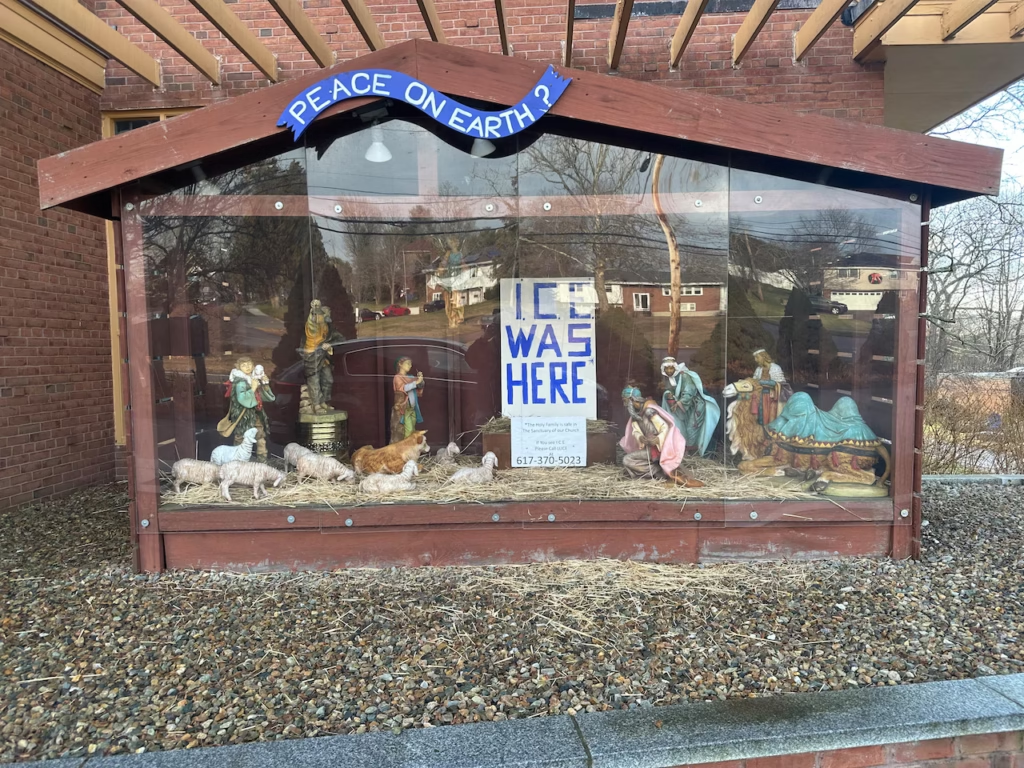
The Dedham Church Christmas Displa
Introduction to Dedham Church’s Christmas Displays
The Dedham Church’s annual Christmas displays have become a notable tradition that transcends mere decoration, effectively utilizing the medium of art to provoke thought and reflection on pressing social issues. Since their inception nearly a decade ago, these displays have evolved into a platform where faith and social commentary intersect, encouraging community dialogue and awareness on various societal challenges. Each year, the church selects themes that resonate deeply with current events and societal dynamics, ensuring that their message remains relevant and impactful.
The carefully curated displays showcase a blend of artistic expression and theological relevance, inviting visitors to engage not only with the aesthetics but also with the underlying messages. Various forms of art, including sculptures, murals, and interactive installations, provide a rich tapestry for storytelling, often addressing topics such as poverty, inequality, environmental sustainability, and human rights. This unique approach transforms the church into a space where art serves as a catalyst for change, urging congregants and visitors alike to contemplate their roles within the larger community.
Beyond the visual appeal, the Christmas displays spark conversations that draw on diverse perspectives, showcasing the Dedham Church’s commitment to social justice and advocacy. By intertwining these themes with the celebration of Christmas, the displays offer a reminder of the season’s inherent messages of hope, compassion, and solidarity. As viewers navigate through the intricacies of the displays, they are encouraged to reflect on their beliefs and values, making the experience not just an aesthetic journey but also an intellectual and emotional one.
In essence, the Dedham Church’s Christmas displays create a profound connection between art and social consciousness, establishing a tradition that invites introspection and community involvement during the festive season.
Historical Context of the Displays
The Dedham Church Christmas Displays have emerged as a profound tradition within the community, providing not only a festive atmosphere but also a platform for social reflection. The origins of these displays can be traced back several decades, when the church sought to celebrate the holiday season through artistic expressions that resonated with the congregation and broader community. Initially, the displays emphasized universal themes such as hope, love, and peace, aligning closely with traditional narratives of Christmas.
Over time, however, these displays have evolved to mirror pressing social issues, prompting deeper engagement from church members and local residents. Historical events have influenced the themes chosen for each year’s display, ensuring that they remain relevant and thought-provoking. For instance, displays in past years have featured themes related to civil rights movements, environmental concerns, and economic disparities, reflecting the church’s commitment to social justice and community awareness.
The current display, which focuses on immigration and the intersecting issue of Immigration and Customs Enforcement (ICE) activities, is emblematic of this trend. It marks a significant shift from more generalized themes to urgent contemporary matters that impact many families within the community. This evolution not only highlights the church’s adaptive approach in responding to societal changes but also serves as a reminder of the ongoing struggles individuals face today. By addressing such pivotal issues through the lens of Christmas, the Dedham Church Christmas Displays continue to foster dialogue and reflection among attendees, encouraging them to consider the implications of these pressing social challenges in their own lives.
Themes Explored in Past Displays
The Christmas displays at the Dedham Church have become a platform for social commentary, creatively representing various pressing issues that resonate within the community and society at large. Over the years, these displays have tackled themes such as climate change, mass shootings, and immigration, each aiming to draw attention and provoke thought in a visually engaging manner.
One prominent theme has been climate change, which has emerged as a critical concern. The displays often feature elements that illustrate the effects of global warming and environmental degradation. For instance, representations of polar bears on melting ice or scenes depicting extreme weather patterns have sparked discussion about the urgency of addressing climate-related issues. Public reactions have ranged from appreciation for raising awareness to criticisms regarding the effectiveness of art in prompting real-world change.
Another issue reflected in the displays is mass shootings, a topic that has affected many communities across the United States. The displays have memorialized the victims and highlighted the need for gun reform and greater safety measures. The poignant imagery used during these exhibits has opened up dialogues around violence, safety, and mental health, prompting attendees to reflect on the societal impacts of such tragic events. Reactions to the mass shooting displays have been deeply emotional, often leading to a sense of solidarity among visitors.
Immigration has also been a recurring theme in the church’s Christmas displays. Through artistic portrayals of families seeking refuge and struggling to find a place to belong, the displays communicate compassion and solidarity with immigrants. This theme has generated discussions about policy and the human aspect of immigration, fostering empathy within the community. Visitors have expressed appreciation for these narratives, recognizing the relevance of immigration issues amidst ongoing debates. Overall, the Dedham Church Christmas displays serve as a significant lens through which the community can reflect on pivotal social issues.



This Year’s Display: Focus on ICE
This year’s Christmas display at the Dedham Church offers a poignant reflection on the pressing social issue surrounding Immigration and Customs Enforcement (ICE). The selection of this theme resonates particularly in a time where immigration remains a topic of heated debate and concern within many communities, making it essential for the church to engage in this relevant discourse through art.
The rationale behind choosing ICE as the central theme stems from a desire to raise awareness about the significant human experiences tied to immigration policies. The display aims to highlight the struggles and hopes of individuals impacted by ICE enforcement actions and broader immigration regulations. By bringing this theme into the community’s holiday celebrations, the church seeks to promote empathy and foster conversations centered around justice, compassion, and human dignity.
Artistically, the display employs a blend of visual elements, including symbolic representations and interactive components that engage attendees on multiple levels. Using lights and shadows, the design illustrates the dichotomy of safety and vulnerability that many immigrants face. For example, a series of illuminated figures symbolize the journey of migrants, illuminating the path filled with obstacles yet underscored by hope. Contextual information and stories accompany the visual elements, offering a narrative that is both educational and reflective of real-life experiences.
Moreover, the display encourages community interaction by inviting visitors to share their thoughts and feelings about immigration issues. This engagement transforms the exhibit into a space for dialogue and understanding, bridging various perspectives within the congregation and beyond. Through art, the Dedham Church addresses the complexities of the immigration debate, ultimately urging viewers to consider the human aspects of policy and enforcement, especially during the holiday season, a time typically associated with family unity and compassion.
Debate and Discussion Generated
The annual Christmas displays at Dedham Church have consistently stirred conversations within the community and beyond, highlighting a spectrum of opinions on the intersection of religion and social commentary. Each year, the methodology and themes of these displays prompt passionate discussions among church members, local residents, and social activists. Advocates of the displays argue that they serve as a powerful platform for bringing attention to pressing social issues, inviting reflection and promoting empathy among viewers. For many, this is a welcomed approach to merging faith with a commitment to social justice, as it allows the church to actively engage with contemporary societal challenges.
Conversely, critics raise concerns regarding the appropriateness of using a religious symbol for political discourse. Some community members express discomfort, believing that such displays may detract from the spiritual essence of Christmas, risking alienation of those who may not share the same beliefs or values. Moreover, the potential for misinterpretation presents challenges, as the intention behind the displays may be overshadowed by public backlash or controversy. This polarization among constituents fuels continual debates about the role of churches in societal advocacy and the ethical implications of religious displays as tools for commentary.
The discourse surrounding these displays is not limited to local community engagement; it often extends to broader societal conversations via social media and news outlets, showcasing varied interpretations and responses across different demographics. Many individuals have taken to online platforms to voice their opinions, creating a larger dialogue about the appropriateness and effectiveness of this method of advocacy. As Dedham Church continues its tradition of annual displays, it remains a focal point for reflection on the complexities of blending faith with social activism, revealing the intricate tapestry of community perspectives that shape these discussions.
National Attention: Coverage and Impact
The Dedham Church has recently garnered significant national media attention for its Christmas displays, which have become a focal point for discussions surrounding social issues prevalent in contemporary society. The displays, which blend traditional holiday themes with poignant social commentary, have captured the interest of various news outlets, social media platforms, and community organizations. This widespread coverage serves not only to highlight the church’s artistic endeavors but also to illuminate the critical societal concerns that these displays address, such as inequality, homelessness, and the need for compassion in a divided world.
As the news of the Dedham Church’s artistic expression spread, it triggered a ripple effect across different demographics, prompting many to engage more deeply with the ideas presented. Public opinion has shifted, with many individuals expressing greater awareness and concern for the social injustices depicted in the displays. Numerous articles and reports have acknowledged the power of visual art as a catalyst for activism, illustrating how such creative expressions can provoke thought, inspire dialogue, and sometimes challenge the status quo. This phenomenon underscores the role of art in not just reflecting society, but also in driving social change.
The media’s exploration of the Dedham Church’s displays has generated conversations that transcend local communities, reaching audiences on a national scale. Various platforms have invited discourse regarding the importance of art as a medium for advocacy, illustrating its potential to mobilize public sentiment and foster a collective call to action. Through these displays, the Dedham Church has effectively utilized their platform to shine a light on pressing social issues, demonstrating that the intersection of creativity and activism can play a pivotal role in shaping public consciousness and effecting change.



The Role of Art in Addressing Social Issues
Art has long served as a powerful medium for exploring and critiquing social issues, and Christmas displays, such as those exhibited by the Dedham Church, exemplify this phenomenon. Visual art, with its capacity to evoke emotional responses and provoke critical thought, can turn the spotlight on societal challenges, thereby encouraging dialogue and fostering community engagement. Artistic representations during the holiday season often blend traditional themes with contemporary issues, resulting in a dynamic interaction that urges observers to reflect on both the past and present.
Through the lens of holiday displays, creators can illuminate specific social injustices ranging from poverty to inequality, using symbolism and narrative to resonate with the audience. For instance, decorations that depict the struggles faced by marginalized communities can serve as poignant reminders of the disparities that exist during a season typically associated with joy and giving. As such, these artworks can stimulate an awareness that might otherwise be overlooked in daily life, prompting viewers to consider the impact of these issues on their own communities.
The effectiveness of art in addressing social issues lies in its ability to transcend words and communicate on a deeper emotional level. A well-crafted display can inspire individuals to engage with these themes actively, whether through discussions, volunteering, or advocacy efforts. This engagement is crucial; it transforms passive observation into a call to action, encouraging individuals to translate their reflections into meaningful contributions towards societal improvement.
In essence, the role of art, particularly within the context of Christmas displays, is not only to celebrate the season but also to initiate crucial conversations about social issues. By leveraging the emotive power of visual art, communities can cultivate an environment of awareness, compassion, and action, ultimately leading to positive societal change.
Community Involvement and Reactions
The Dedham Church Christmas Displays have become a focal point for community engagement, drawing in visitors from various backgrounds to reflect on the social issues depicted. The themes of the displays resonate deeply, prompting discussions about their significance within the community. Many attendees express profound appreciation for the church’s ability to spark conversations about societal challenges through visually striking representations during the holiday season. Such involvement has not only shaped public perception but also fostered a sense of collective responsibility among community members.
Numerous anecdotes highlight how the displays encourage personal reflection and conversations around pressing social issues. For instance, a local resident noted that the display addressing homelessness resonated with many, sparking dialogues among families and friends about ways to contribute to local shelters and other support services. This anecdote illustrates how the display acts as a catalyst for mobilizing community action, ultimately encouraging individuals to translate their emotional responses into tangible efforts that address the highlighted issues.
Overall, the impact of the Dedham Church Christmas Displays extends beyond mere visual appeal; they serve as a platform for dialogue and reflection. By examining societal themes, community members are invited not only to witness but to engage actively with the realities that shape their environment, leaving lasting impressions that extend far beyond the festive period.
Future of Dedham Church’s Displays
The Dedham Church Christmas displays have long been a source of inspiration, fostering community spirit and unity. As social issues continue to evolve, it is imperative for the church to adapt its displays to reflect these ongoing challenges effectively. Looking forward, several potential themes can be anticipated for future exhibitions. One significant area that could be explored is social justice, encapsulating the themes of equity, inclusion, and support for marginalized communities. This could be achieved through the incorporation of elements that highlight the experiences of underrepresented groups, promoting understanding and empathy among visitors.
Another relevant theme could encompass environmental sustainability. In an era marked by climate change and ecological crises, the Dedham Church can play a pivotal role in raising awareness about the importance of caring for the planet. Future displays may incorporate natural materials, green messages, and artistic representations that advocate for environmental stewardship. This could not only reflect the church’s commitment to faith-based stewardship but also resonate with the growing concerns of the community about environmental degradation.
Additionally, mental health awareness is a critical issue that continues to gain prominence. The church’s Christmas displays could evolve to provide messages of hope, healing, and community support. Through artistic and narrative elements, they can address the importance of mental well-being, encouraging individuals to seek help and foster open discussions surrounding this often-taboo subject.
As we consider the future of the Dedham Church’s displays, it is essential to remain responsive to the societal landscape. By integrating these themes into their Christmas displays, the church can enhance its role as a beacon of light and hope, reflecting the challenges faced by the community while fostering a deeper understanding of the interconnectedness of social issues.





1 thought on “Reflections of Social Issues: The Dedham Church Christmas Displays”