Luke Evans Escaped a Christian Cult to Become Hollywood’s Most Unexpected Gay Icon
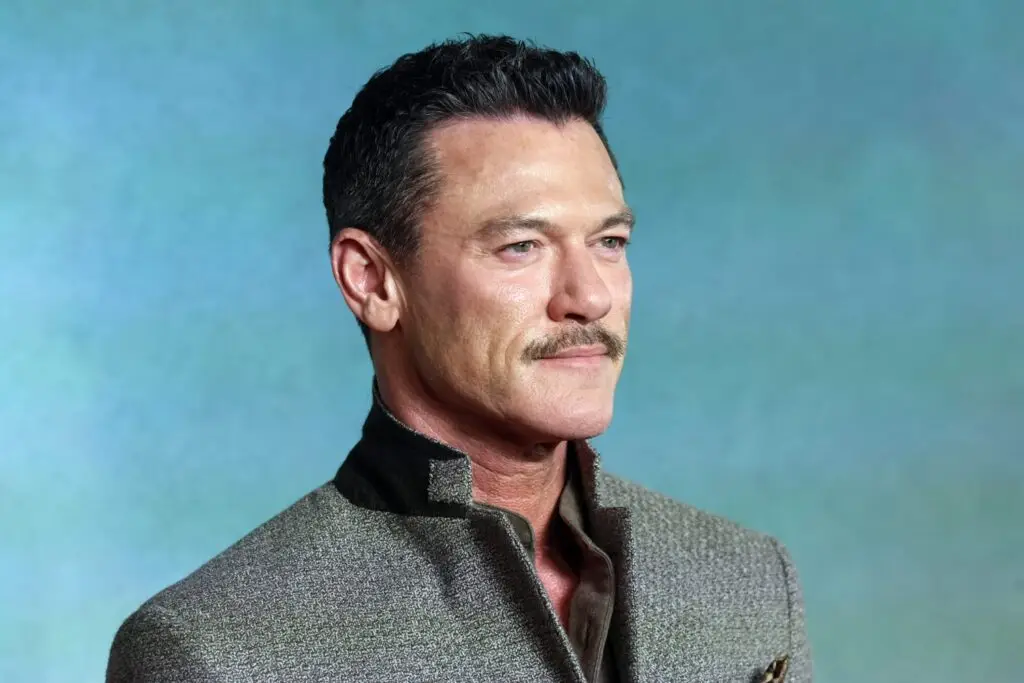
Luke Evans’ self discovery and acceptance journey has unfolded gradually in the public eye, offering a thoughtful example of identity, resilience, and personal growth.
When Bard the Bowman Was Raised a Jehovah’s Witness
Luke Evans is best known for playing badass characters: Bard the Bowman in The Hobbit, Gaston in Disney’s Beauty and the Beast, Dracula, tough guys in action films.
What most people don’t know: He grew up in a religious cult that told him who he was—gay, creative, ambitious—was fundamentally wrong and destined for destruction.
Jehovah’s Witnesses aren’t typically called a “cult” in polite company. They’re a “religion” or “faith community.” But when you examine the control mechanisms, the isolation tactics, the shunning of those who leave, the prohibition on questioning leadership, the apocalyptic fear-mongering—it walks, talks, and quacks like a cult.
Luke Evans was raised in this system in Wales. Small town. Close-knit Witness community. Kingdom Hall meetings multiple times per week. Door-to-door ministry. Strict rules about everything—what you watch, who you befriend, how you dress, who you can love.
And Luke knew, from a young age, that he was gay. In a religion that teaches homosexuality is an abomination, that acting on same-sex attraction means eternal destruction at Armageddon, that even thinking gay thoughts requires confession and repentance.
He had choices: Suppress his identity forever, living a lie to stay in the only community he’d ever known. Or leave everything—family, friends, belief system, identity—and build a life from nothing.
He chose to leave. And the journey from Jehovah’s Witness kid in Wales to openly gay Hollywood actor wasn’t just career trajectory—it was psychological warfare, spiritual deconstruction, and ultimately, radical self-acceptance.
This is the story of how Luke Evans escaped a high-control religious group, reconstructed his identity, and became one of the few major actors willing to be openly gay in an industry that still pressures LGBTQ performers to stay closeted.
It’s also a story about religious trauma, the cost of authenticity, and why leaving fundamentalism is always harder than people who’ve never been in it can understand.
Welcome to the religion that nearly destroyed Luke Evans before he became the person he was meant to be.
What Jehovah’s Witnesses Actually Believe (And Why It Matters)
Before we talk about Luke’s journey, you need to understand what he was escaping from.
Jehovah’s Witnesses aren’t just “another Christian denomination.” They’re a high-control religious group with beliefs and practices that fundamentally shape members’ entire lives:
The world is ending soon. Like, really soon. Armageddon is imminent. Only Jehovah’s Witnesses will survive. Everyone else—including other Christians—will be destroyed. This creates constant urgency and fear.
The Governing Body has divine authority. Eight men in New York claim to be God’s sole channel of communication. Questioning them is questioning God. Independent thinking is spiritually dangerous.
Strict behavioral control. Rules about everything: no holidays (including birthdays and Christmas), no blood transfusions (even if you’ll die), limited education (college is discouraged), restricted media consumption, no voting or political involvement.
Social isolation. Association with non-Witnesses is minimized. Your entire social network is the congregation. This makes leaving catastrophic—you lose everyone you know.
Shunning (disfellowshipping). If you break rules and don’t repent, or if you voluntarily leave, your family and friends must cut you off completely. No contact. You become dead to them.
Homosexuality is a sin requiring repentance. Being gay isn’t necessarily a sin (you can’t control feelings), but acting on it is. Gay Witnesses are expected to remain celibate forever or marry opposite sex and suppress their orientation.
Constant surveillance. Members report each other’s sins to elders. Judicial committees investigate accusations. Privacy is minimal.
For a kid growing up in this system, the message is clear: Conform completely or lose everything.
Luke Evans grew up with this worldview. It shaped his understanding of himself, morality, the universe, and his place in it.
And then he realized he was gay.
Growing Up Gay in a Religion That Says You Shouldn’t Exist
Imagine being a child and discovering something fundamental about yourself—something you can’t change, didn’t choose, that feels as natural as breathing.
Now imagine your religion teaches that this fundamental part of you is:
- An abomination to God
- A symptom of moral corruption
- Something that will cause your destruction at Armageddon
- So shameful you can never speak about it openly
- Requiring lifetime suppression or you lose everyone you love
That was Luke Evans’s childhood.
He didn’t choose to be gay. He didn’t wake up one day and decide to complicate his life catastrophically. He just… was. And the religion he’d been taught was absolute truth told him that who he was, fundamentally, was wrong.
The psychological damage this does cannot be overstated:
Internalized shame: You learn to hate yourself. The core of your identity becomes the thing you most despise about yourself.
Split identity: You develop a public self (conforming, acceptable) and a private self (real but shameful). The gap between these selves creates constant psychological strain.
Hypervigilance: Constant monitoring of your behavior, words, even thoughts to ensure you don’t reveal your truth. Exhausting and isolating.
Spiritual terror: If the religion is right, being gay means eternal destruction. If you act on your orientation, God will kill you at Armageddon. The stakes couldn’t be higher.
Social impossibility: You can’t talk to anyone about this. Not parents (they’ll report you to elders). Not friends (same). Not elders (they’ll force you into “therapy” or disfellowship you). You’re completely alone.
Luke lived with this through childhood and adolescence. Attending meetings where homosexuality was condemned. Going door-to-door preaching beliefs that invalidated his existence. Watching other Witnesses get disfellowshipped and shunned, knowing that could be him.
The isolation was crushing. The fear was constant. The shame was internalized so deeply it became part of his identity.
The Impossible Choice: Suppress or Escape
As Luke entered young adulthood, the choice became unavoidable:
Option 1: Stay and suppress
Remain a Jehovah’s Witness. Never act on his sexuality. Either stay single forever (explaining why you never marry or date) or marry a woman and live a lie. Attend meetings where homosexuality is condemned. Preach door-to-door. Maintain the facade indefinitely.
Cost: Your authentic self. Your happiness. Any possibility of romantic love. Constant psychological strain. Living a lie forever.
Benefit: Keep your family, friends, community, belief system. Avoid the terror of Armageddon. Maintain social support and identity.
Option 2: Leave and be yourself
Disassociate from Jehovah’s Witnesses. Accept being shunned by family and all Witness friends. Lose your entire social network. Abandon the belief system that’s structured your understanding of reality. Build new life from scratch. Face the possibility that the religion might be right and you’re choosing destruction.
Cost: Everyone you love. Your community. Your spiritual framework. The psychological safety of certainty. Potentially eternal life (if the religion is true).
Benefit: Authenticity. Freedom to be yourself. Possibility of love and happiness. Escape from constant fear and shame.
Neither option is good. Both involve massive loss.
This is what high-control religions do: They make leaving so costly that staying—even in misery—seems like the only viable option.
But Luke looked at his options and chose freedom.
The Decision to Leave (And What It Cost)
Luke Evans left the Jehovah’s Witnesses in his late teens/early twenties (exact timing isn’t publicly detailed, but the decision came as he pursued acting).
Leaving meant:
Losing his family. Jehovah’s Witness shunning policy meant his family had to cut him off. The people who raised him, who he loved, who loved him—gone. Contact minimized or severed. They believe associating with him could cost their own salvation.
Losing all his friends. His entire social network was Witness community. Every friend he’d grown up with. Gone. They won’t return calls, won’t meet for coffee, treat him like he’s dead.
Losing his belief system. The religion provided answers to everything—why we exist, what happens after death, how to live morally, what the future holds. Losing that creates existential vertigo. Nothing is certain anymore.
Facing possible Armageddon. Even if intellectually he stopped believing, emotionally the fear lingers. What if they’re right? What if I’m choosing destruction?
Building life from scratch. New social network. New worldview. New identity. All while grieving massive losses and processing trauma.
The devastation of leaving a high-control religion is hard for people who’ve never experienced it to grasp. It’s not just “changing churches.” It’s losing everyone and everything you know simultaneously while your foundational understanding of reality collapses.
Luke did this alone. No support system. No one who understood. Just determination to live authentically despite catastrophic cost.
Rebuilding: From Wreckage to Stardom
After leaving, Luke had to completely rebuild:
Career: He pursued acting seriously—the passion the religion had taught him was worldly and dangerous. He trained, auditioned, worked his way up from theater to film.
Identity: Who was he without the religion? What did he believe? What mattered to him? These weren’t abstract questions—they were foundational rebuilding.
Relationships: Building new friendships and eventually romantic relationships after years of suppressing his sexuality and isolating himself.
Worldview: Reconstructing understanding of morality, meaning, purpose without religious framework. Finding new sources of meaning.
Self-acceptance: Undoing years of internalized shame, learning that being gay isn’t wrong or shameful, that he deserves love and happiness.
This is multi-year process. You don’t just leave a cult and immediately thrive. You carry the trauma, the conditioning, the damaged self-concept.
But Luke persisted. He built a successful acting career—West End theater, then major films. He became Bard in The Hobbit, Dracula, Gaston. He proved to himself (and probably to the Witnesses who’d written him off) that leaving didn’t mean destruction—it meant freedom to become who he actually was.
The Closet Within the Closet (Hollywood’s Pressure)
Here’s the cruel irony: Luke escaped a religion that demanded he hide his sexuality, only to enter an industry (Hollywood) that pressures LGBTQ actors to do the same thing.
For years, the conventional wisdom in Hollywood was:
- Openly gay actors can’t play straight roles (because audiences won’t buy it)
- Coming out destroys your career (especially for leading men)
- Stay closeted until you’re so established it doesn’t matter
- Better yet, stay closeted forever
Luke had fought so hard to escape the closet the Witnesses forced him into. Now his chosen career was pressuring him into a different closet—not religious but professional.
For a while, he complied. He didn’t explicitly come out publicly. He didn’t discuss his personal life in interviews. He kept that part of himself separate from his public persona.
Sound familiar? It’s the same split identity the religion taught him—public self vs. private self. He’d escaped the religious version only to recreate it professionally.
The psychological toll: You can’t fully heal from religious trauma while still hiding the same fundamental truth about yourself. You’re recreating the conditions that caused the trauma.
Coming Out: The Second Escape
In 2021, Luke came out publicly. Not with fanfare or major announcement, but casually, naturally, in ways that made clear: This is who I am, I’m not hiding it anymore.
This wasn’t just “coming out” in the celebrity sense. For Luke, it was completing the journey he started when he left the Witnesses.
It was saying: I will not hide who I am anymore. Not for religion. Not for career. Not for anyone.
It was refusing: the closet in all its forms—religious, professional, social. No more compartmentalization. No more public vs. private self.
It was claiming: full authenticity. The right to exist as complete person without shame or hiding.
The responses were predictable:
Support: From LGBTQ community, from fans who admired his courage, from people who appreciated the representation.
Indifference: From people who didn’t care about his sexuality and just liked his acting.
Criticism: From people who think actors should stay closeted for their careers, from religious people who think he’s promoting sin.
But most importantly: Freedom. For the first time in his life, Luke could be fully himself publicly. No hiding. No fear. No shame.
This is what escaping the closet fully looks like—not just leaving the religion, but refusing to recreate the conditions that religion imposed.
The Trauma That Doesn’t Just Disappear
Luke is out. He’s successful. He’s built a life that would have been impossible if he’d stayed a Witness.
But religious trauma doesn’t just evaporate when you leave:
The fear lingers. Even when you intellectually reject the beliefs, emotionally the programming remains. Armageddon nightmares. Guilt about “abandoning truth.” Fear you made wrong choice.
The loss is permanent. His family didn’t stop shunning him because he became famous. The religion doesn’t make exceptions for success. He still lost everyone.
The conditioning runs deep. Years of being taught you’re fundamentally wrong for being gay don’t disappear. Internalized shame takes conscious effort to unlearn.
The hypervigilance persists. After years of monitoring yourself constantly, relaxing that vigilance is hard. You’re conditioned to hide.
The trust issues remain. When religion you trusted absolutely betrayed you this fundamentally, trusting anything absolutely becomes difficult.
Luke carries these effects. Every ex-Witness does. You can leave the religion, but the religion’s effects on your psyche don’t just leave you.
Therapy helps. Time helps. Building authentic life helps. But the scars remain.
Understanding this is crucial for understanding Luke’s journey—it’s not “he left and everything was fine.” It’s “he left and has been healing ever since, and that healing is ongoing.”
What Luke’s Story Reveals About High-Control Religion
Luke Evans’s journey exposes several truths about fundamentalist religions:
They weaponize love. “We love you, but we’ll completely cut you off if you don’t conform.” That’s not love. That’s control through emotional blackmail.
They create impossible situations. Be yourself and lose everything, or suppress yourself and keep everyone but lose yourself. Both options destroy you.
They damage people fundamentally. Years of shame, fear, and hiding create psychological trauma that persists long after leaving.
They prioritize institutional authority over individual wellbeing. Your happiness, mental health, and authenticity matter less than maintaining organizational control.
They exploit social needs. Humans need community. Religions that monopolize your entire social network use that need to keep you trapped.
They make leaving catastrophically costly. Not because leaving is inherently destructive, but because they design the system to make leaving destroy your life.
They fail to break everyone. Some people, like Luke, choose freedom despite the cost. The religion failed to completely break his spirit.
Luke’s story is one person’s experience, but it represents thousands of LGBTQ people raised in fundamentalist religions who face the same impossible choice: hide forever or lose everything.
The Broader LGBTQ Religious Trauma Issue
Luke’s experience isn’t unique:
Countless LGBTQ people are raised in religions (not just Jehovah’s Witnesses—Mormons, evangelical Christians, Orthodox Jews, conservative Muslims, etc.) that tell them their identity is sinful, shameful, wrong.
The psychological effects:
- Higher rates of depression, anxiety, PTSD among LGBTQ people from religious backgrounds
- Increased suicide risk (especially for youth)
- Internalized homophobia that persists after leaving
- Difficulty forming healthy relationships
- Complex trauma requiring specialized therapy
- Ongoing fear and shame
The social effects:
- Family rejection (LGBTQ youth are disproportionately homeless because families kicked them out)
- Loss of entire social networks
- Economic vulnerability (losing family support, job opportunities in religious communities)
- Isolation and loneliness
The existential effects:
- Loss of meaning and purpose that religion provided
- Fear of hell/destruction/divine punishment
- Spiritual homelessness—feeling unable to belong anywhere religiously
Luke had resources (talent, eventually financial success) that many don’t have. Most LGBTQ people escaping fundamentalist religion face the same trauma with far fewer resources.
His story illuminates a crisis affecting millions that society largely ignores because “it’s just religion” and we’re supposed to respect that.
The Inspiration (And Why His Story Matters)
Why does Luke Evans’s journey from Jehovah’s Witness to openly gay Hollywood actor matter?
Representation: LGBTQ kids in fundamentalist religions desperately need to see that escape is possible, that life exists beyond the closet, that you can be yourself and survive—even thrive.
Visibility: Most people don’t understand high-control religions. Luke’s story makes the reality visible—the control, the manipulation, the impossible choices, the trauma.
Hope: For people currently trapped, his success proves that leaving is worth it. That the freedom to be yourself, despite the cost, creates possibilities the religion forbids.
Accountability: Religious organizations that destroy lives through shunning and homophobia should be held accountable. Stories like Luke’s expose the damage.
Complexity: It’s not simple “choose yourself” decision. The costs are catastrophic. Understanding that complexity helps people support those leaving fundamentalism.
Healing: Publicly owning your story helps healing. Luke claiming his narrative rather than hiding it is part of his recovery from religious trauma.
Every person who escapes fundamentalism and lives authentically makes it easier for the next person. Luke’s visibility matters enormously.
The Uncomfortable Conclusion
Luke Evans is successful, openly gay Hollywood actor. He plays tough guys, heroes, sometimes villains. He’s built impressive career and seemingly good life.
He’s also someone who had to choose between authenticity and everyone he loved. Who lost his entire family and community to be himself. Who carries trauma from years of being told his fundamental identity was shameful and wrong.
Both things are true. Success doesn’t erase trauma. Freedom doesn’t eliminate loss.
His journey from Jehovah’s Witness in Wales to Bard the Bowman to openly gay actor represents:
- Extraordinary courage (choosing freedom despite catastrophic cost)
- Profound loss (everyone he grew up with, entire belief system)
- Ongoing healing (trauma doesn’t disappear with success)
- Hard-won authenticity (refusing to hide anymore)
- Inspiration for others (proving escape is possible)
The religion that raised him wanted him to believe that leaving meant destruction. That being himself meant losing everything worth having. That suppressing his identity was the only path to happiness and survival.
They were wrong. He left. He lived. He thrived.
But they also weren’t entirely wrong about the cost. He did lose everything—just not in the way they meant. He lost the poisoned community and toxic belief system. And gained himself.
That trade—authenticity for everything you’ve known—is what thousands of LGBTQ people in fundamentalist religions face.
Luke Evans made that trade. Paid that price. And became himself.
May his story give courage to everyone still trapped.
May religious organizations that force this choice face accountability.
May we build a world where no one has to choose between themselves and everyone they love.
Luke Evans: From Jehovah’s Witness to Bard the Bowman to himself.
The journey continues. The healing continues. The authenticity remains.
And that’s the victory no religion can take away.
Key Takeaways:
- Luke Evans was raised as Jehovah’s Witness, a high-control religious group with strict rules and shunning practices
- Discovering he was gay while in a religion that condemns homosexuality created impossible situation
- Leaving meant losing family, friends, community, and belief system—catastrophic cost for authenticity
- Hollywood initially pressured him into professional closet, recreating religious trauma
- Coming out publicly completed his journey from hiding to full authenticity
- Religious trauma persists even after leaving—healing is ongoing process
- His story represents thousands of LGBTQ people facing same impossible choice in fundamentalist religions
- Success doesn’t erase trauma, but authenticity makes freedom possible
- Visibility and representation help others still trapped
Luke Evans chose himself. That choice cost everything. And it was worth it.