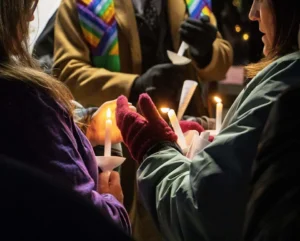
How Christian Aid Workers Bring Hope to Hell on Earth
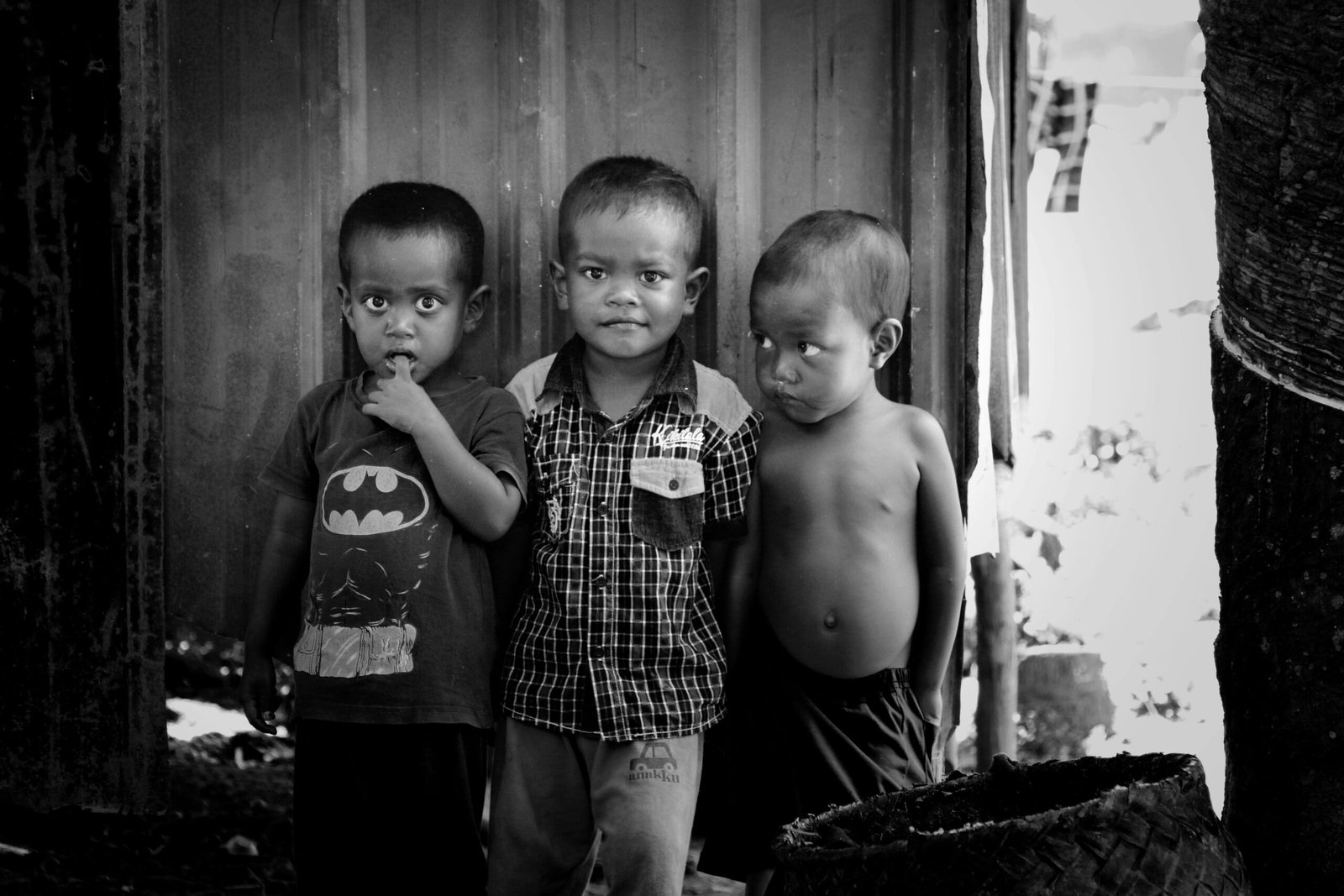
Christian aid workers providing humanitarian relief in crisis zones
In the world’s darkest corners, where governments fail and systems collapse, Christian humanitarian workers are often the only ones who show up—and stay
Christian aid workers in humanitarian crises are often the first to arrive and the last to leave, bringing faith-driven hope to communities facing war, disaster, and extreme suffering.
Picture this: A makeshift hospital in war-torn Syria, operating by candlelight because airstrikes have destroyed the power grid. A food distribution center in drought-ravaged South Sudan, where millions face starvation. A temporary school in a Turkish earthquake zone, where traumatized children try to reclaim some semblance of normalcy amid the rubble.
What do these scenes have in common? In each one, you’ll likely find Christian humanitarian workers—doctors, teachers, aid coordinators, and volunteers—who’ve traveled thousands of miles to serve people they’ve never met, driven by a faith that compels them to see the face of God in every suffering stranger.
Christian humanitarian efforts represent one of the most visible—and vital—expressions of faith in action across the globe. These initiatives aren’t just about emergency relief or temporary fixes. They’re about embodying an ancient conviction that love demands concrete action, that compassion means more than feeling sorry, and that true faith shows up when others flee.
But what does this work actually look like on the ground? What motivates people to risk their lives in crisis zones? And in an increasingly secular world, does faith-based humanitarianism still have a unique role to play?
The Theology of Showing Up
Christian humanitarian work isn’t a modern invention—it’s rooted in teachings that date back two millennia.
At the heart of Christian humanitarianism is a simple but radical idea: every human being possesses inherent dignity and worth, regardless of faith, nationality, race, or circumstance. This belief flows directly from core Christian teachings about humanity being created in God’s image and Christ’s command to “love your neighbor as yourself.”
Jesus didn’t qualify that commandment. He didn’t say “love your neighbor if they share your beliefs” or “love your neighbor when it’s convenient.” He told a story about a Samaritan—a despised outsider—who stopped to help a wounded stranger when religious leaders passed by. The message was clear: your neighbor is anyone in need, and love means action, not sentiment.
This ethos has inspired countless individuals and organizations to engage actively in humanitarian work across centuries. From early charitable works of the medieval Church to contemporary relief efforts responding to natural disasters, conflicts, and poverty, these initiatives reflect sustained commitment to a vision of a more just and compassionate world.
The theological foundation makes Christian humanitarianism distinctive in important ways. It’s not primarily about solving problems or achieving measurable outcomes (though those matter). It’s about witness—demonstrating through action what it means to follow Christ. It’s about presence—showing up in places of suffering because isolation compounds trauma. And it’s about hope—proclaiming through service that no situation is beyond redemption.
This doesn’t make Christian aid superior to secular humanitarian work. But it does shape priorities, motivations, and the willingness to stay when others leave.
Where Hell Exists on Earth
To understand Christian humanitarian efforts, you need to understand the contexts where they operate. These aren’t difficult situations—they’re catastrophic ones.
Conflict Zones
Syria stands as one of the most devastating examples of conflict-driven crisis. Years of civil war have created immense suffering, with over 6.7 million people displaced internally and millions more scattered across borders. The ongoing violence has decimated living conditions, with significant portions of the population lacking access to essential healthcare, clean water, and food.
In these environments, Christian organizations often work in areas abandoned by others, providing medical care, food distribution, and trauma counseling amid active combat. The risks are extraordinary—aid workers face threats from all sides, navigate constantly shifting front lines, and work knowing that hospitals and schools are often targeted.
Natural Disasters
The earthquakes that struck Turkey and Syria in early 2023 highlighted how natural disasters compound existing vulnerabilities. Displacement surged as families were forced to abandon homes, leading to precarious existence in temporary shelters where health risks and food shortages are prevalent.
Infrastructure collapse means that even basic services disappear. Roads are impassable, preventing aid delivery. Water systems break down, creating disease risks. Hospitals are destroyed precisely when they’re most needed. In these chaotic first days and weeks, Christian organizations often provide the initial response—search and rescue teams, emergency medical care, temporary shelter.
Chronic Poverty and Food Insecurity
Poverty-stricken regions, particularly in Sub-Saharan Africa, grapple with compounded challenges. South Sudan, frequently affected by climate change, faces alarming levels of food insecurity—over 7.76 million people in urgent need of humanitarian assistance. Droughts and flooding have disrupted agricultural production, creating a crisis that’s both immediate and structural.
These aren’t temporary emergencies—they’re ongoing catastrophes requiring sustained engagement. Christian organizations operate feeding programs, agricultural training, water well construction, and healthcare clinics, often remaining in these areas for decades when media attention has long since moved on.
Climate-Driven Displacement
The intersection of climate change, socioeconomic instability, and geopolitical factors creates compounding crises. Rising sea levels displace coastal communities. Changing weather patterns destroy traditional farming. Resource scarcity fuels conflict. Millions are at risk, requiring both immediate relief and long-term strategies.
The scale of these challenges can feel overwhelming. But for Christian humanitarian workers, the theological imperative is clear: you don’t help because you can solve everything—you help because it’s right.
The Organizations Leading the Charge
Several major Christian organizations have established themselves as leaders in humanitarian response, each bringing distinct approaches and strengths.
World Vision
Operating in more than 90 countries, World Vision is one of the largest Christian humanitarian organizations globally. Their work is anchored in Christian values but explicitly serves people of all faiths and backgrounds.
World Vision’s approach emphasizes child-focused programs addressing both immediate needs and long-term development goals. Their core values stress dignity, empowerment, and sustainability—ensuring programs address root causes of crises like hunger and lack of education, not just symptoms.
What sets World Vision apart is their integrated model. They don’t just provide emergency food relief—they work with communities to develop sustainable agriculture. They don’t just build schools—they train teachers and engage parents. This holistic approach recognizes that genuine transformation requires addressing interconnected challenges.
Catholic Relief Services
With a significant presence in crisis areas worldwide, CRS focuses on providing humanitarian assistance in accordance with Catholic social teaching. Their outreach spans international disaster response, community development, and peacebuilding.
CRS initiatives include food and nutrition support, healthcare, emergency shelter, and longer-term programs promoting self-sufficiency. Their rapid response capability allows them to deploy quickly when disasters strike, while their commitment to community development ensures they don’t just leave when the cameras do.
A distinctive aspect of CRS work is their emphasis on accompaniment—walking alongside communities in their struggles rather than simply delivering services. This approach reflects Catholic theology about solidarity and the preferential option for the poor.
Samaritan’s Purse
Known for rapid disaster response, Samaritan’s Purse has developed diverse programs including Operation Christmas Child, which provides gift-filled shoeboxes to children in crisis. Their mission reflects commitment to serving those affected by conflict and natural disasters.
Samaritan’s Purse mobilizes volunteers and donations efficiently, often arriving in crisis zones within hours of disasters. Their medical teams provide emergency care, their construction crews build temporary shelters, and their water specialists establish clean water access in areas where infrastructure has collapsed.
While all these organizations share humanitarian goals, their effectiveness stems from comprehensive approaches and the scale of their outreach. More importantly, their shared commitment to faith-based service provides motivation that sustains workers through extraordinarily difficult circumstances.
Beyond Band-Aids: Faith-Based Advocacy
Christian humanitarian work isn’t limited to emergency relief—many organizations engage actively in policy advocacy addressing root causes of crises.
This advocacy work leverages faith-based principles to promote policies prioritizing humanitarian assistance, conflict resolution, and development programs aligned with values of dignity and respect. It’s based on a theological conviction that addressing symptoms without confronting systemic causes is incomplete compassion.
Christian organizations facilitate dialogue between affected communities and policymakers, ensuring voices of marginalized populations are heard. In regions where political instability and social injustices exacerbate suffering, this advocacy can lead to more sustainable and equitable solutions.
For example, Christian organizations lobby governments on refugee policies, arguing that nations have moral obligations to provide asylum. They advocate for debt relief for impoverished nations, contending that crushing debt prevents investment in healthcare and education. They push for climate action, emphasizing that those least responsible for climate change suffer its worst consequences.
Through strategic partnerships and coalitions, these organizations enhance their influence, pooling resources and expertise to advocate effectively for change. Their efforts extend beyond direct aid to engaging in legislative processes, raising awareness about ongoing crises, and mobilizing communities for grassroots initiatives.
This approach creates a robust framework for addressing complex humanitarian issues that often go unnoticed by mainstream discourse. By connecting faith with action, Christian organizations contribute significantly to transformation of policies upholding human rights and promoting lasting peace.
Critics sometimes question whether religious organizations should engage in political advocacy. But for these groups, it’s inseparable from their mission. If you believe human dignity is sacred, you can’t remain silent when policies violate that dignity.
The Power of Volunteers
Behind every major Christian humanitarian organization are thousands of volunteers who make the work possible.
Local churches frequently serve as launching pads for outreach programs, providing structured environments where community members can gather, organize, and mobilize resources. From food drives to educational workshops, churches engage volunteers in activities benefiting communities while fostering unity and purpose among participants.
Many organizations offer mission trips allowing individuals to apply skills and compassion directly in affected areas. These trips involve medical assistance, construction projects, teaching, or community development initiatives. Volunteers often return with transformative experiences underscoring the impact of Christian humanitarian work on both communities served and the volunteers themselves.
Testimonials from participants frequently highlight personal growth, deepened faith, and newfound appreciation for resilience of those they serve. A nurse who spends two weeks providing medical care in a refugee camp returns changed. A college student who helps rebuild homes after a hurricane discovers capabilities they didn’t know they had. A retiree who teaches English to displaced children finds renewed purpose.
Global volunteer programs provide avenues for involvement extending beyond local efforts, connecting individuals with international needs. Whether through sponsoring a child, participating in short-term missions, or committing to long-term service, the calling to help is increasingly embraced.
The dedication of volunteers not only showcases Christian commitment to service but also acts as a beacon of hope for those experiencing hardship, demonstrating that love and support pass beyond borders.
The Reality Check: Challenges and Costs
Christian humanitarian work sounds noble—and it is. But it’s also brutally difficult, dangerous, and emotionally devastating.
Security Threats
In conflict zones, humanitarian workers face threats from armed groups, kidnappings, or violent attacks. They require careful risk assessments and often find themselves vulnerable while striving to aid those in need.
Aid workers have been killed, kidnapped, and assaulted. Hospitals and schools—clearly marked as humanitarian sites—are bombed. Convoys are attacked. The assumption that humanitarian workers are off-limits has eroded in many conflicts, making the work exponentially more dangerous.
Political Instability
Governments in crisis zones may have fluctuating policies regarding foreign aid or may be uncooperative in allowing access to those requiring assistance. This creates delays in delivery of critical resources.
Sometimes governments actively obstruct aid because they’re using starvation as a weapon, or because they don’t want outsiders witnessing atrocities, or simply because bureaucratic dysfunction prevents effective coordination.
Resource Limitations
Humanitarian organizations often operate with insufficient funding, restricting their capacity to assist effectively. This results in inadequate supplies of food, medical care, and shelter for affected populations.
The gap between need and available resources is often staggering. Organizations must make impossible choices: Which communities get food? Who receives medical treatment? How do you decide who gets help when you can’t help everyone?
Cultural Barriers
Understanding local customs, traditions, and languages is vital for effective communication and building trust. Misunderstandings can lead to distrust and hinder acceptance of aid, ultimately undermining relief efforts.
Well-intentioned interventions can backfire if they don’t account for cultural context. Food aid that includes items people don’t eat wastes resources. Medical treatments that violate cultural norms get rejected. Development programs that ignore local knowledge fail.
Psychological Toll
Many humanitarian workers experience compassion fatigue, secondary trauma, or burnout due to intense situations they encounter. The emotional cost of witnessing suffering—especially when you can’t fix everything—is profound.
Workers see children starving, families destroyed, communities shattered. They work exhausting hours in difficult conditions, often while dealing with their own fear and trauma. The suicide rate among humanitarian workers is significantly higher than the general population.
Organizations must establish support systems ensuring worker well-being, allowing them to continue their vital mission. But too often, the emphasis on serving others leaves little room for workers to process their own pain.
Stories That Matter: Impact and Hope
Despite these challenges, Christian humanitarian efforts achieve remarkable impacts that justify the costs and risks.
South Sudan: From Crisis to Cultivation
In South Sudan, organizations like World Vision and Samaritan’s Purse have addressed acute food crises caused by conflict and climate challenges. By implementing community-based agriculture programs, they’ve empowered local families to cultivate their land, leading to noticeable improvements in food security.
This isn’t just about distributing food—it’s about restoring dignity and self-sufficiency. Families who were dependent on aid are now feeding themselves and selling surplus at markets. Communities regain control over their futures.
Syria: Education Amid Chaos
In Syrian refugee camps, Christian organizations have collaborated to establish schools catering to vulnerable children. These institutions offer not just education but essential psychological support, helping children cope with traumas of displacement.
The success reflects in rising school enrollment rates and improved literacy levels. But more importantly, it provides hope. Children who’ve lost everything—homes, communities, sometimes family members—gain routine, purpose, and belief that their futures aren’t entirely destroyed.
Haiti: Healthcare Where There Was None
Health clinics run by Christian organizations in Haiti have been crucial in enhancing healthcare access. Following the devastating 2010 earthquake, these clinics provided essential medical services to thousands, including maternal and child healthcare.
Partnerships between local communities and faith-based organizations resulted in successful vaccination programs, drastically reducing incidence of preventable diseases. In places where government healthcare systems collapsed or never existed, these clinics literally save lives daily.
These stories illustrate profound positive change that occurs when faith communities come together to address urgent needs. By sharing resources, knowledge, and compassion, Christian humanitarian efforts continue illuminating paths toward recovery and empowerment.
The Future of Faith-Based Aid
Christian humanitarian efforts are evolving to meet changing global needs and leverage new capabilities.
Technology Integration
Many organizations are leveraging digital tools to improve communication, streamline logistics, and facilitate real-time assessment of needs. Mobile applications and data analytics drive efficiency, enabling aid workers to respond swiftly to changing conditions.
Drones deliver medical supplies to inaccessible areas. Satellite imagery identifies populations in need. Digital payment systems distribute cash assistance securely. Technology facilitates information sharing, allowing organizations to coordinate efforts and prevent duplication of services.
Community Empowerment
There’s growing emphasis on community self-sufficiency rather than dependence on aid. Initiatives like vocational training and education aim to develop resilient communities capable of overcoming future challenges.
This approach reflects theological understanding that charity should empower, not infantilize. The goal isn’t creating permanent dependence on foreign aid but equipping communities with skills and resources to rebuild their own lives.
Addressing Root Causes
Christian organizations increasingly focus on root causes of crises rather than solely responding to immediate needs. This involves advocacy on social justice and policy changes aligned with Christian mandates of caring for the marginalized.
You can’t just treat symptoms indefinitely—you have to address disease. That means confronting systems that create poverty, violence, and displacement. It means challenging injustice wherever it exists, even when that’s uncomfortable or politically risky.
Collaborative Approaches
Emerging trends indicate shifts toward more collaborative approaches, with increased partnerships between faith-based organizations, government agencies, nonprofits, and private sector entities. This multifaceted collaboration aims to enhance effectiveness and reach of humanitarian responses.
No single organization can solve complex global crises alone. Effective response requires coordination, resource sharing, and leveraging diverse expertise. Christian organizations increasingly recognize this, building partnerships that multiply impact.
How You Can Help
Supporting Christian humanitarian initiatives doesn’t require traveling to crisis zones. There are multiple ways individuals can contribute meaningfully.
Financial Contributions
Donations to reputable Christian humanitarian organizations fund essential services like food aid, medical assistance, and shelter. Donors can sponsor specific projects or programs resonating with their values, leading to more targeted assistance.
Even modest recurring donations make significant differences when multiplied across thousands of supporters. Organizations can plan longer-term programs when they have predictable funding streams.
Advocacy
Raising awareness about global crises encourages others to join the cause. This includes sharing information on social media, participating in community discussions, or contacting representatives to promote policies favoring humanitarian aid.
Advocacy extends the reach of Christian initiatives, drawing more attention and resources to pressing issues. Your voice matters—politicians respond to constituents who care about global humanitarian issues.
Volunteering
Many Christian organizations welcome volunteers bringing diverse skills—from medical professionals assisting in clinics to individuals offering logistical help. Short-term mission trips enable participants to immerse themselves in humanitarian work while making meaningful connections.
The experience changes volunteers as much as it helps communities served. You return with expanded perspective, deepened empathy, and personal understanding of global challenges that statistics can’t convey.
Prayer
For believers, prayer remains a powerful tool supporting Christian humanitarian initiatives. Engaging in prayer nurtures spiritual well-being while fostering solidarity and purpose, uniting individuals in their quest to aid those in dire need.
Praying for those suffering and those working to help them reinforces the very foundations of these humanitarian missions. It’s not a substitute for action, but it sustains those doing the difficult work.
Why Faith Still Matters
In an increasingly secular world, some question whether faith-based humanitarianism remains relevant. Couldn’t secular organizations do this work just as well?
Maybe. But here’s what faith brings that’s difficult to replicate:
Motivation that Sustains
Christian humanitarian workers operate in extraordinarily difficult circumstances for extended periods. The theological conviction that they’re serving Christ in serving others provides motivation that sustains them when conditions are brutal and progress is invisible.
Presence Over Results
Faith-based approaches often prioritize presence and relationship over measurable outcomes. Sometimes the most important thing is simply showing up, being present with people in their suffering. That’s harder to justify in purely utilitarian frameworks focused on metrics and efficiency.
Hope Amid Hopelessness
Christian humanitarianism proclaims that no situation is beyond redemption, that suffering doesn’t have the final word. In contexts where despair is rational, this hope matters profoundly—not as empty optimism, but as grounded conviction that love is stronger than death.
Community and Belonging
Faith communities create networks of support that extend beyond professional relationships. Churches in crisis zones become families for displaced people. International Christian communities provide solidarity that transcends national boundaries.
This doesn’t make Christian humanitarian work superior to secular efforts. Both are necessary. But it does suggest that faith brings distinctive gifts to humanitarian response that would be missed if it disappeared.
The Enduring Call
Christian humanitarian efforts in global crisis zones represent faith at its most concrete and costly. This isn’t religion as comfort or spiritual bypass—it’s belief that demands action, sacrifice, and showing up in the hardest places.
The work continues because the need continues. Wars create refugees. Natural disasters destroy communities. Poverty traps millions in cycles of suffering. Climate change displaces populations. The crises keep coming.
And Christian humanitarian workers keep responding—not because they can fix everything, not because they always succeed, not because the work is safe or easy. They respond because their faith compels them to see the face of God in every suffering person and to answer that recognition with love made tangible.
In a world that often feels defined by division, cynicism, and self-interest, Christian humanitarian workers offer a different vision: one where compassion crosses borders, where strangers become neighbors, where the powerful serve the powerless, and where hope persists even in hell on earth.
That’s not just humanitarian work. It’s a living, breathing witness to the possibility of a different kind of world—one built on love, justice, and the radical conviction that every human life has infinite worth.
The pews back home might be emptying, debates about doctrine might rage on, and Christianity’s cultural influence might be waning. But in crisis zones across the globe, where suffering is most acute and hope most scarce, Christian humanitarian workers continue showing up.
And in that showing up—in the food distributed, the wounds healed, the children educated, the dignity restored—faith becomes more than belief. It becomes presence. It becomes love. It becomes hope.
That’s a beacon that no darkness can fully extinguish.