When Nazis Showed Up in Wichita, Christians Responded by Singing Kumbaya (And It Was Actually Brilliant)
Nazis Showed Up in Wichita, Christians Responded by Singing Kumbaya
The Provocation Nobody Expected
Neo-Nazis came to Wichita, Kansas with a plan: intimidate the community, spread hate, demonstrate their presence, make people afraid.
Instead, they got hundreds of Christians singing “Kumbaya” at them.
Not as mockery. Not ironically. Genuinely, earnestly, defiantly singing one of the most maligned songs in Christian musical history—the song that became shorthand for naïve, ineffective, feel-good religion that doesn’t actually accomplish anything.
And somehow, in this context, it was perfect.
The worship service wasn’t planned as counter-protest. It was scheduled before the Nazi provocation. But when hate groups announced their presence in Wichita, when the threat became real and immediate, the Christian community made a choice:
Cancel the service out of fear? No.
Engage the Nazis directly in confrontation? No.
Proceed with worship exactly as planned, singing songs of unity and peace while Nazis lurked nearby trying to spread division and hate? Yes.
The optics were surreal: Neo-Nazis spewing racist ideology while blocks away, Christians of all backgrounds sang “Kumbaya, my Lord, kumbaya” in defiant, joyful worship.
Critics said: This is useless! Singing won’t stop Nazis! This is exactly the kind of ineffective liberal Christianity that lets evil flourish! You’re not confronting anything!
Participants said: This is exactly what confronting evil looks like—refusing to let hate dictate our behavior, maintaining our values despite threats, demonstrating that community and love are stronger than division and fear.
The pastor said: “Live your life in ways that piss off neo-Nazis.”
Which is perhaps the most unexpectedly hardcore thing a pastor has said while organizing a “Kumbaya” sing-along.
This is the story of how one community responded to Nazi provocation not with violence, not with capitulation, but with worship—and why that response was more radical than it initially appears.
It’s also a story about what effective resistance to hate actually looks like, whether Christianity’s emphasis on love and peace is weakness or strength, and how symbols everybody mocks (like “Kumbaya”) can become powerful when used intentionally.
Welcome to Wichita, Kansas, where Christians sang the corniest song in existence at Nazis and somehow made it revolutionary.
The Threat: When Nazis Come to Your Town
Let’s establish what Wichita was facing, because “Nazis showed up” undersells the actual threat.
Neo-Nazi groups and white supremacist organizations have been increasingly active in America over the past decade. They stage demonstrations, recruit members, spread propaganda, and create climates of fear in communities—particularly targeting Jewish people, immigrants, people of color, and anyone they view as threats to white Christian dominance.
In Wichita specifically:
The groups: Various neo-Nazi and white supremacist factions announced plans for activities in the city, including demonstrations and recruitment efforts.
The targets: As always with these groups: Jewish residents, immigrants (Wichita has significant immigrant populations), people of color, religious minorities, and anyone who supports diversity and inclusion.
The timing: The provocations coincided with increased ICE (Immigration and Customs Enforcement) activity in the area, creating compound fear for immigrant communities already facing deportation threats.
The tactics: Standard neo-Nazi playbook—public demonstrations to normalize their presence, propaganda distribution, attempts to provoke confrontation that they can spin as “free speech being suppressed,” recruitment of disaffected young men.
The goal: Create fear, division, and the sense that hate groups are ascendant and resistance is futile. Embolden white supremacists while demoralizing everyone else.
This wasn’t abstract threat. These were actual organized hate groups with histories of violence announcing their presence in a specific community.
The question for Wichita’s residents, particularly its Christian community: How do you respond?
The Options (And Why Most of Them Suck)
When Nazis show up, you have several response options, each with serious problems:
Option 1: Ignore them
Theory: Don’t give them attention. Starving hate groups of publicity will make them irrelevant.
Problem: Ignoring them doesn’t make them go away. It allows them to operate unopposed, recruit members, normalize their presence. Silence can look like acceptance or cowardice.
Option 2: Counter-protest directly
Theory: Meet them in the streets. Show them they’re outnumbered. Don’t let hate go unanswered.
Problem: This is exactly what they want—confrontation, violence, media coverage, opportunity to play victim. Plus, it’s dangerous. People get hurt. And it centers the Nazis, making them the focus.
Option 3: Cancel everything and hide
Theory: Keep people safe by keeping them home. Don’t risk violence or confrontation.
Problem: This lets Nazis dictate behavior. They win by making you afraid to gather, worship, exist normally. Fear becomes their victory.
Option 4: Armed confrontation
Theory: Meet force with force. Make Nazis afraid to operate in your community.
Problem: Escalates to violence. People die. Legal consequences. And it abandons any pretense of Christian values about peace and loving enemies.
Option 5: Proceed with life while actively rejecting hate
Theory: Don’t let Nazis change your behavior. Keep doing what you were doing—worship, gather, celebrate community—while making clear you reject everything they represent.
Problem: Might look ineffective or naïve. Doesn’t directly confront them. Could be misread as indifference.
Wichita’s Christians chose Option 5. And they made it work.
The Worship Service: Resistance Through Community
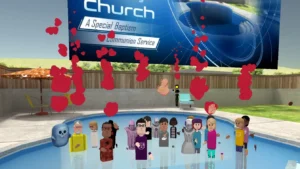
The service was already scheduled. When the Nazi threat materialized, organizers didn’t cancel. They didn’t change the plan. They proceeded—with full awareness that worship in this context became political statement.
Who came: Not just one church. Multiple congregations. Different denominations. Various racial and ethnic backgrounds. Jewish allies. Community members of different faiths. People who don’t usually attend church but showed up specifically to stand against hate.
The attendance itself was the message: “We are diverse. We are united. We refuse to be intimidated. Our community is stronger than your hate.”
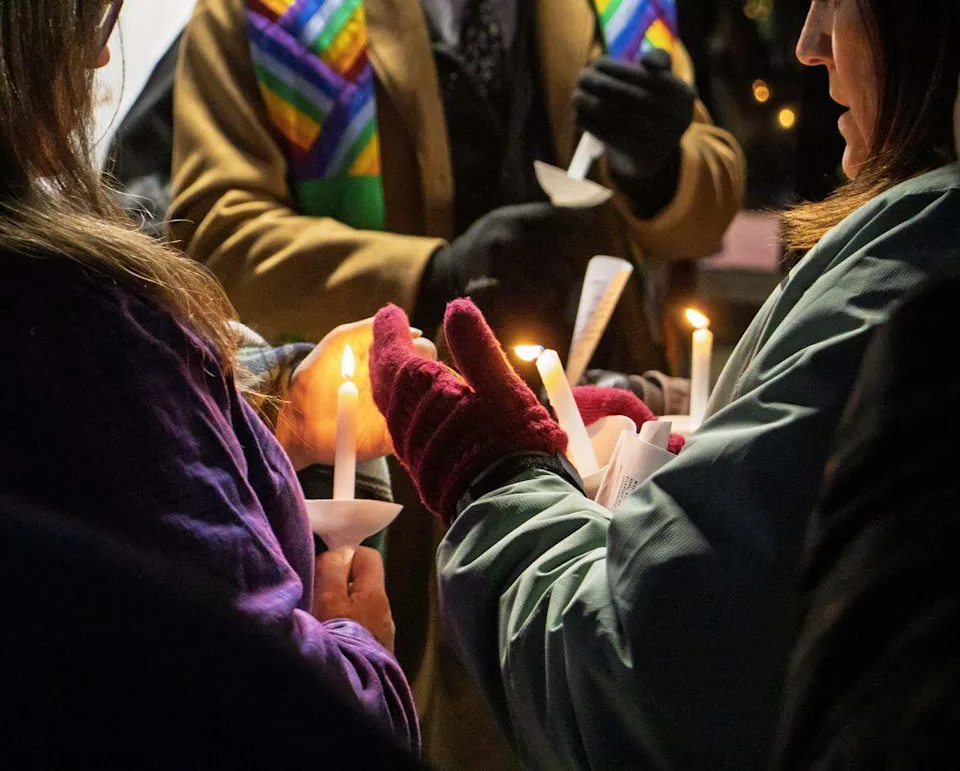
The atmosphere: Not grim or defiant in an angry way. Joyful. Celebratory. Determined. The mood was “we’re here to worship together and your presence can’t stop us” rather than “we’re here to fight you.”
The music: Familiar hymns. Contemporary worship songs. And yes, “Kumbaya”—sung without irony, with full awareness of what it symbolized.
The prayers: For the community. For those threatened by hate. For the Nazis themselves—that they’d find transformation. For courage to keep loving in the face of hate.
The testimonies: Community members sharing stories of resilience, experiences of discrimination, commitment to staying and building inclusive community despite threats.
The pastor’s message: Not primarily about Nazis. About what it means to be Christian community. About living according to values regardless of opposition. About love as active resistance to hate.
And crucially: The message to walk out and live differently. Not just to feel good during worship but to embody those values in daily life.
The Pastor’s Radical Challenge
Pastor John Smith (name changed for privacy) gave what might be the most punk rock sermon ever delivered during a “Kumbaya” sing-along:
“Live your life in ways that piss off neo-Nazis.”
This is brilliant for several reasons:
It reframes resistance: You don’t have to punch Nazis (though some would argue you should). You just have to live in ways that contradict everything they believe.
It makes everyday life political: Being kind to immigrants, welcoming refugees, celebrating diversity, treating all humans as equal—these become acts of resistance.
It’s sustainable: You can’t counter-protest every day. You can live your values every day. This makes resistance ongoing practice, not one-time event.
It’s specific and actionable: What pisses off Nazis? Diversity. Inclusion. Interfaith cooperation. Racial justice. Immigrants thriving. LGBTQ people being welcomed. Jews feeling safe. Muslims being honored as neighbors.
Do those things. That’s the resistance.
It reclaims Christianity: Turns “love your neighbor” from passive sentiment to active defiance. Following Jesus becomes inherently anti-Nazi because Nazi ideology is fundamentally anti-Christian (despite their claims otherwise).
The pastor wasn’t saying “be nice and hope Nazis go away.” He was saying “embody values so opposed to theirs that your existence infuriates them—and do it joyfully.”
That’s not naive. That’s strategic and sustainable resistance.
Why “Kumbaya” Was Actually Perfect
“Kumbaya” is possibly the most mocked song in Christian history. It’s shorthand for:
- Ineffective liberal Christianity that prioritizes feelings over action
- Naïve belief that singing together solves problems
- Avoidance of hard conversations about injustice
- White liberal Christianity’s tendency to paper over real conflicts with superficial unity
All those criticisms have merit. “Kumbaya Christianity” can absolutely be those things.
But in this context, singing “Kumbaya” at Nazis was radical because:
It asserted unity Nazis want to destroy. The song’s entire message—”come by here, my Lord, we need you”—is call for divine presence in unified community. Nazis thrive on division. Unity is their enemy.
It demonstrated fearlessness. Singing gentle songs about peace while hate groups threaten you requires courage. It’s refusal to let fear silence you or change your character.
It was inclusive. Everyone knows “Kumbaya.” It’s accessible across age, denomination, musical ability. Singing it together literally creates the unity it describes.
It was Christian-specific resistance. Not generic liberal resistance. Specifically Christian—calling on God, gathering in worship, expressing faith-rooted values.
It reclaimed mocked symbol. Taking something dismissed as weak and using it defiantly. This is what marginalized communities do—reclaim insults, turn weaknesses into strengths.
It was joyful resistance. Not grim determination or angry confrontation. Joyful assertion that love, community, and worship matter more than hate. That joy itself is resistance.
The optics of Christians joyfully singing “Kumbaya” while Nazis seethe nearby? Perfect. Because it shows who’s actually strong—the people maintaining their values despite threats, not the people trying to intimidate others into silence.
The Community Response: More Than One Service
The worship service wasn’t isolated event. It was part of broader community response:
Interfaith solidarity: Jewish community members attended. Muslims participated. People of various faiths and no faith showed up to stand against hate. Religious differences became less important than shared commitment to opposing Nazis.
Ongoing organizing: The service catalyzed continued community action—neighborhood watch groups, immigrant support networks, educational programs about hate groups, plans for sustained resistance.
Protective presence: Some attendees positioned themselves as informal security, ready to protect vulnerable community members if violence occurred. Prayer and preparation coexisted.
Media strategy: Local press covered it extensively. The narrative became “diverse community unites against hate” rather than “Nazis successfully intimidate town.”
Youth involvement: Young people participated, learning that faith communities can be forces for justice, that worship can be resistance, that Christianity doesn’t mean passivity.
Economic solidarity: Community committed to supporting immigrant-owned businesses, patronizing establishments that welcomed everyone, economically undermining hate.
Political engagement: Residents organized to ensure local government responded appropriately to hate group activity, that police protected all communities, that policies promoted inclusion.
The worship service was public face of multilayered community response. The singing was visible symbol of deeper, sustained resistance.
The Criticisms (And Why They’re Partly Right)
Not everyone thought the “Kumbaya” approach was effective:
“This is performative and doesn’t actually stop Nazis.”
Fair point. Singing doesn’t prevent recruitment, doesn’t deplatform hate groups, doesn’t address root causes of white supremacy.
But: It does build community resilience, demonstrate values, refuse to be intimidated, and inspire ongoing action. It’s not sufficient alone, but it’s part of comprehensive response.
“You should be punching Nazis, not singing at them.”
The “punch Nazis” argument has historical and moral support. Fascism wasn’t defeated with songs.
But: Not everyone can or should engage in physical confrontation. Multiple tactics are valid. Worship-as-resistance serves different purpose than direct confrontation.
“This centers white Christian comfort over actual resistance.”
Legitimate concern. If this becomes excuse to avoid harder, riskier action—if it’s end rather than beginning—then yes, it’s inadequate.
But: Participants included people directly targeted by Nazis. This wasn’t just white Christians feeling good. And organizers committed to ongoing action beyond worship.
“Nazis don’t care about your prayers.”
True! They don’t. The prayers weren’t for the Nazis—they were for the community, for strength, for commitment to values, for courage to resist.
“This is liberal Christianity avoiding real confrontation.”
Sometimes, yes. But not here. The pastor explicitly called for living in ways that oppose Nazi ideology. That’s confrontation, just not violent confrontation.
All these criticisms contain truth. The worship service alone isn’t sufficient response to organized hate. But combined with other actions, as part of comprehensive community resistance, it serves important purpose.
What Actually Stops Nazis (And Where Worship Fits)
Let’s be honest about what actually counters white supremacist movements:
Deplatforming: Denying them venues, social media presence, financial infrastructure. Making it hard to organize and recruit.
Legal consequences: Prosecuting violence, monitoring illegal activity, using law enforcement (when it’s not complicit) to limit operations.
Economic pressure: Making Nazi association costly—job loss, business failure, social ostracism.
Education: Teaching history of fascism, warning signs of radicalization, critical thinking about propaganda.
Community resilience: Building strong, diverse communities where hate ideology can’t take root. This is where worship fits.
Direct confrontation: Sometimes, physical resistance to Nazi presence. Controversial but historically effective.
Addressing root causes: Economic anxiety, social isolation, lack of meaning and purpose that make people vulnerable to radicalization.
Worship services don’t accomplish most of these. But they do build community resilience. They create bonds across difference, reinforce shared values, provide meaning and purpose, offer belonging without hate.
Communities with strong interfaith ties, active religious engagement in justice work, and clear values about inclusion are less vulnerable to hate group infiltration.
Worship isn’t the whole strategy. It’s one component of comprehensive resistance.
The Lessons for Confronting Hate
What can other communities learn from Wichita?
Resistance takes multiple forms. Not everyone fights the same way. Some people counter-protest. Some people organize legally. Some people worship. All can be valid.
Community matters more than individual heroism. Strong communities resist hate better than isolated individuals. Building relationships across difference is preventative action.
Joy is resistance. Refusing to let hate steal your joy, maintaining hope and community despite threats—this is powerful. Despair is what hate wants. Joy denies them victory.
Values must be lived, not just stated. Singing about unity is hollow if you don’t actually build diverse, inclusive community. The test is daily life, not Sunday worship.
Strategic use of symbols matters. “Kumbaya” worked because participants understood the context, used it intentionally, and backed it with action. Symbols are tools—effectiveness depends on how you use them.
Don’t let hate dictate behavior. If you cancel, hide, or change plans because of threats, hate wins. Proceeding despite fear is resistance.
Safety and courage must coexist. Being brave doesn’t mean being stupid. Wichita’s community took precautions while refusing to be silenced. Wisdom and courage aren’t opposites.
Faith can be political without being partisan. Religious values about love, justice, inclusion, and human dignity are inherently political. Living them confronts hate without being Republican or Democrat.
The Uncomfortable Truth
Here’s what’s hard to accept: This approach requires privilege.
Singing “Kumbaya” at Nazis is something you can do when you’re not their primary target. When your existence isn’t immediately threatened. When you have community protection and resources.
The people most directly targeted—immigrants facing deportation, people of color experiencing daily racism, Jewish community members with Holocaust trauma—don’t all have luxury of joyful worship as primary resistance.
For some, it’s survival. For some, it’s fighting back. For some, it’s fleeing.
The Wichita approach worked partly because it was diverse community with resources, political capital, and enough safety to gather publicly without immediate danger.
Not every community has those advantages. Not every context permits worship-as-resistance.
This doesn’t invalidate the approach. It just means we must acknowledge it’s not universally accessible and shouldn’t be universally prescribed.
The Ongoing Battle
The worship service didn’t end Nazism in Wichita. Hate groups still exist. White supremacy still operates. The threats continue.
But the community demonstrated:
- They won’t be intimidated
- They’ll maintain their values despite opposition
- They’ll support vulnerable members
- They’ll organize across difference
- They’ll resist hate with love without being naive about it
That matters.
It’s not decisive victory. It’s sustained resistance. It’s choosing, repeatedly, to build inclusive community rather than surrender to fear and division.
The Nazis wanted to create climate of fear. Instead, they catalyzed climate of solidarity.
That’s not nothing.
The Conclusion That’s Really a Beginning
When Nazis showed up in Wichita, Christians sang “Kumbaya.”
It sounds absurd. It looks naive. It seems like exactly the kind of ineffective liberal Christianity that changes nothing.
Except it wasn’t any of those things.
It was diverse community asserting unity despite forces trying to divide them. It was people maintaining values in face of threats. It was joy as resistance, worship as defiance, and love as active opposition to hate.
It was also just one piece of comprehensive community response—not sufficient alone, but powerful as part of larger effort.
The pastor’s challenge remains: “Live your life in ways that piss off neo-Nazis.”
That means:
- Welcome immigrants and refugees
- Celebrate diversity
- Build interfaith relationships
- Stand against racism
- Support LGBTQ neighbors
- Defend Jewish community members
- Oppose white supremacy
- Create inclusive spaces
- Fight for justice
- Love fearlessly
Do these things. Do them joyfully. Do them consistently. Do them despite opposition.
That’s how you piss off Nazis. That’s how you resist hate. That’s what Christian resistance actually looks like.
And if you sing “Kumbaya” while doing it? Even better. Because nothing annoys fascists more than joy they can’t steal and community they can’t break.
Wichita Christians sang the corniest song in existence at Nazis and made it revolutionary.
May we all find such courage.
Key Takeaways:
- Nazis provoked Wichita; Christians responded with joyful worship instead of fear or violence
- “Kumbaya” became symbol of community unity and resilience against hate
- Pastor challenged people to live daily in ways opposing Nazi ideology
- Response included worship but also organizing, solidarity, and sustained action
- Multiple forms of resistance are valid; worship builds community resilience
- Joy, community, and commitment to values are themselves resistance to hate
- Approach requires resources and privilege not all communities possess
- Sustained resistance matters more than single dramatic confrontation
The battle against hate continues. But Wichita showed one way to fight it: together, joyfully, stubbornly refusing to let hate win.