When Broadway Tackles the Bible: Two Musicals That Couldn’t Be More Different
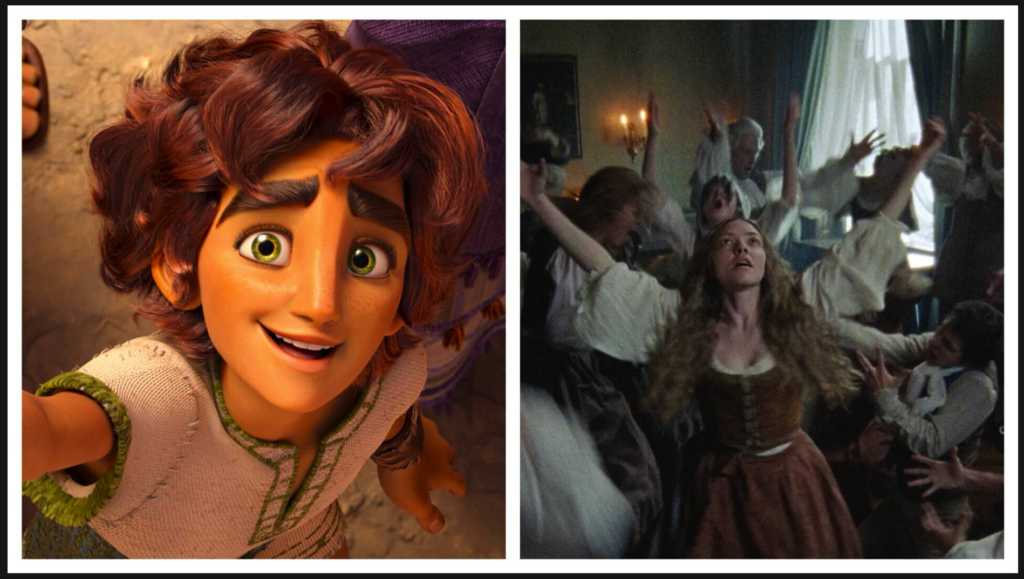
David and Testament Of Ann Lee
Broadway musicals based on the Bible have long sparked debate, blending sacred Scripture with modern storytelling in ways that range from reverent to radically reimagined.
Faith on Stage (With Singing and Dancing)
Two Christian musicals are running right now: The Testament of Ann Lee and David.
Both explore faith. Both draw from religious history. Both use music to tell stories about belief, struggle, and divine calling.
And they could not be more different in approach, tone, or what they’re actually saying about God.
The Testament of Ann Lee is dark, uncomfortable, violent. It’s about a woman who founded a religious sect, endured persecution, and navigated the costs of radical faith. The staging is stark. The music is haunting. Women bleed on stage—literally or metaphorically, the line blurs intentionally. Faith here is precarious, fragile, bought with enormous sacrifice.
David, on the other hand, is vibrant, adventurous, triumphant. It’s the biblical story of the shepherd boy who killed a giant, became king, and was called “a man after God’s own heart.” The production is animated (or animation-inspired in stage versions), energetic, accessible. God shows up, intervenes directly, makes things work out. Faith here is empowering, destiny-fulfilling, the source of heroic achievement.
Same subject—faith. Radically different interpretations.
Ann Lee asks: What does faith cost when society rejects you, when your body bears the marks of devotion, when belief isolates you from normalcy?
David asks: How does faith empower you to overcome impossible odds, defeat giants, fulfill divine purpose?
Both are valid questions. Both matter. But they produce completely different theatrical experiences and completely different messages about what it means to believe.
This is the story of two musicals exploring Christianity through art—one through suffering and sacrifice, one through triumph and adventure. Of how the same faith tradition can inspire radically different narratives depending on which stories you tell and how you tell them.
It’s also a conversation about what we want from religious art: Comfort or challenge? Affirmation or interrogation? Heroes or martyrs?
Welcome to faith on stage, where the subject is the same but the approach makes all the difference.
The Testament of Ann Lee: When Faith Bleeds
Let’s start with the uncomfortable one.
The Testament of Ann Lee tells the story of Ann Lee, who founded the Shakers in 18th-century America. If you don’t know much about Shakers: They believed in celibacy, communal living, equality of the sexes, and ecstatic worship involving shaking, dancing, and speaking in tongues.
Mainstream society thought they were insane. Or demonic. Or both.
Ann Lee was imprisoned, beaten, nearly killed multiple times. Her followers faced constant persecution. They survived by radical commitment to their beliefs and to each other.
The musical doesn’t sanitize this. It doesn’t make faith pretty or comfortable.
The staging: Stark, minimal, unsettling. Women in the woods—are they worshiping, fleeing, dying? The line isn’t clear. Gunshots echo. Bodies move in ways that suggest both ecstasy and violence.
The music: Haunting rather than uplifting. Dissonant harmonies. Rhythms that unsettle rather than comfort. Songs that sound more like laments than hymns.
The narrative: No neat resolution. No triumphant finale. Just the grinding reality of maintaining faith when the world wants you dead, when your body pays the price, when belief requires everything.
The women: Central to everything. Not supporting characters—the characters. Their bodies, their suffering, their devotion, their strength. The physical marks they bear become symbols of faith’s cost.
This is not Godspell. This is not Joseph and the Amazing Technicolor Dreamcoat. This is faith as wound, as sacrifice, as something that transforms you by hurting you first.
The central question the musical asks: Is faith worth this price?
Not “does faith make you happy” or “does faith give you purpose.” But: When faith costs your comfort, your safety, your body, your life—is it still worth it?
The musical doesn’t answer. It just shows the cost and lets you decide.
Why This Makes Audiences Uncomfortable
The Testament of Ann Lee divides audiences sharply:
Some people find it profound. Finally, religious art that doesn’t prettify faith! That acknowledges suffering! That treats belief as something serious enough to die for! That shows women’s spiritual experience without male mediation!
Other people hate it. It’s depressing. It’s violent. It makes faith look like masochism. Where’s the joy? Where’s the redemption? Why focus on suffering instead of triumph?
Both reactions make sense because the musical is deliberately challenging comfortable narratives about faith.
Most Christian art emphasizes:
- Faith brings peace, joy, fulfillment
- God protects and provides for believers
- Suffering is temporary, triumph is coming
- The faithful get rewarded (if not now, then in heaven)
Ann Lee says: Maybe. Or maybe faith costs everything and you never see the reward. Maybe belief isolates you, gets you beaten, marks your body permanently. Maybe God doesn’t intervene to stop your suffering.
And maybe that’s still faith. Maybe that’s even more authentic faith—believing when there’s no reward, when it costs everything, when God seems absent.
This is uncomfortable because it challenges prosperity gospel, feel-good Christianity, the idea that faith should make your life better.
What if faith makes your life harder? What if devotion brings suffering? What if the marks on your body are the only evidence God was ever there?
The musical sits with these questions without offering easy answers.
The Symbolism That Won’t Let You Look Away
The production uses women’s bodies as primary site of meaning.
Not in a sexualized way—in a theological way. Women bearing physical marks of faith. Women’s blood as sacrifice. Women’s bodies as the location where belief becomes visible.
This is radical for multiple reasons:
It centers women’s spiritual experience. Not as helpers to male religious leaders but as primary spiritual actors. Ann Lee isn’t supporting someone else’s ministry—she is the ministry.
It makes suffering physical and visible. You can’t abstract it into “spiritual warfare” or metaphor. Bodies bleed. Pain is real. The cost is tangible.
It challenges who gets to be a martyr. Christian tradition has plenty of male martyrs. Female martyrs exist but often their stories get sanitized, their sexuality becomes the issue (virgin martyrs), their suffering gets romanticized. Ann Lee’s suffering isn’t romantic—it’s brutal.
It asks what marks of faith mean. Stigmata—the wounds of Christ appearing on believers’ bodies—is Catholic tradition. But what about other marks? Scars from persecution? Bodies changed by devotion? What do these mean?
The symbolism forces questions:
If your faith doesn’t cost you anything, is it real faith? If your body bears no marks, have you really sacrificed? What does authentic devotion look like when it’s not metaphorical?
These are deeply uncomfortable questions for comfortable middle-class Christianity that experiences faith as Sunday services and occasional charity work.
David: When Faith Wins
Now let’s talk about the complete opposite approach.
David tells the story everyone knows: Shepherd boy. Giant. Slingshot. Underdog victory. Future king. Man after God’s own heart.
It’s triumph narrative. Hero’s journey. Destiny fulfilled through faith.
The musical leans into this completely:
The staging: Vibrant, colorful, dynamic. Whether animated or stage production, everything conveys energy, movement, adventure.
The music: Uplifting, triumphant, catchy. Songs you could imagine kids singing. Melodies that inspire rather than unsettle.
The narrative: Clear arc. Challenge → faith → victory → purpose. David believes God, defeats Goliath, becomes king. Faith works. God delivers.
The protagonist: Heroic without being perfect. David has flaws (the musical acknowledges this), but fundamentally he’s someone to admire, emulate, celebrate.
This is accessible, family-friendly faith. The kind that makes you feel good about believing. That shows faith leading to success, purpose, meaningful life.
God is present, active, helpful. Not distant or silent. David prays, God responds. David faces impossible odds, God enables victory.
The central question: How does faith empower you to fulfill your purpose?
Not “what does faith cost” but “what does faith enable.” Not sacrifice but achievement. Not suffering but triumph.
Why This Resonates (And Why It Might Be Problematic)
David works for audiences because it offers what most people want from religious art:
Hope. Faith leads somewhere good. Belief pays off. God comes through.
Inspiration. If David can defeat giants, maybe you can overcome your obstacles. If God had a plan for David, maybe God has one for you.
Clarity. Good and evil are clear. Right action is obvious. God’s will is knowable.
Victory. The faithful win. Eventually. Faith isn’t futile—it’s the path to success.
This is emotionally satisfying. It’s why David’s story has been told for three thousand years.
But it’s also potentially problematic:
It can promote prosperity gospel thinking. Faith → victory. Belief → success. If you just have enough faith, God will deliver. (Except what about when God doesn’t?)
It oversimplifies suffering. David faces challenges but ultimately triumphs. What about people whose faith doesn’t lead to triumph? Whose giants don’t fall? Whose suffering doesn’t end?
It makes God too manageable. Prayer → response. Faith → intervention. God as reliable problem-solver. (Except God often doesn’t work this way.)
It centers individual heroism. David’s faith, David’s victory, David’s destiny. What about communal faith? Corporate suffering? Collective struggle?
None of this makes David bad art or invalid theology. The story is biblical. The themes are real. Individual faith and divine calling matter.
But it’s a very different message than Ann Lee—and reaches different conclusions about what faith is and does.
The God Question
The starkest difference between these musicals: how they portray God.
In David: God is active, present, intervening. God chooses David. God empowers the slingshot. God delivers victory. God’s plan unfolds successfully.
This is God as partner, ally, active participant in your life. You’re not alone—God is with you, working on your behalf, making things happen.
In Ann Lee: God is… where exactly? Present in the believers’ conviction. Present in their community. Present in their willingness to suffer. But not intervening. Not stopping the persecution. Not making it easier.
This is God as mystery, as the one who demands faith without guaranteeing comfort, who calls people to suffering without promising rescue.
Both are biblically supported:
God who intervenes: Exodus, the conquest, David and Goliath, resurrection, Pentecost—God acting powerfully in history.
God who doesn’t intervene: Job, exile, persecution of early Christians, martyrdom, Jesus crying “why have you forsaken me” on the cross—God’s absence or silence in suffering.
The difference is which God you emphasize:
David emphasizes God-who-acts. Faith means trusting God will come through. The musical rewards that trust.
Ann Lee emphasizes God-who-might-not-act (at least not how you want). Faith means believing anyway. The musical doesn’t offer reward, just the reality of costly belief.
What We Want From Faith (And From Art About Faith)
These musicals reveal a fundamental tension in what audiences want from religious art:
Do we want comfort or challenge?
David comforts: Faith works, God delivers, you can overcome.
Ann Lee challenges: Faith costs, God might not deliver, you suffer anyway.
Do we want heroes or martyrs?
David gives us a hero: flawed but triumphant, called to greatness, achieving purpose.
Ann Lee gives us martyrs: faithful unto suffering, devoted despite cost, marked by belief.
Do we want answers or questions?
David answers: Have faith, trust God, fulfill your purpose.
Ann Lee questions: What does faith cost? Is it worth it? What do the marks mean?
Do we want faith that empowers or faith that demands?
David: Faith empowers you to achieve, overcome, succeed.
Ann Lee: Faith demands everything, takes your body, costs your life.
Neither approach is wrong. Both are true to aspects of Christian experience and biblical narrative.
But they produce completely different art and communicate completely different messages about what believing in God actually means.
The Comparative Verdict
So which musical is “better”?
Wrong question. They’re doing different things.
If you want accessible, inspiring, family-friendly faith: David succeeds completely. It tells a great story, makes faith attractive, gives you heroes to admire and lessons to apply.
If you want challenging, uncomfortable, adult faith: Ann Lee succeeds completely. It refuses easy answers, shows faith’s cost, makes you grapple with hard questions.
If you want to introduce kids to biblical stories: David, obviously. It’s age-appropriate, fun, educational.
If you want to process religious trauma or complicated faith: Ann Lee. It validates suffering, acknowledges cost, doesn’t demand triumphalism.
If you want to feel good about believing: David. It shows faith working, God delivering, purpose fulfilled.
If you want to examine what faith demands: Ann Lee. It shows belief’s price without promising reward.
Both have theological validity. Both tell true stories. Both deserve to exist.
The question is: Which one do you need right now? Which questions are you asking? Which God are you encountering?
The Cultural Context That Shapes Reception
These musicals also reflect different cultural moments and audiences:
David speaks to:
- People wanting hope in difficult times
- Families seeking wholesome entertainment with values
- Churches looking for accessible ways to teach Bible stories
- Anyone who needs to believe faith makes a difference
Ann Lee speaks to:
- People deconstructing from toxic faith expressions
- Those who’ve experienced religious trauma
- Feminists reclaiming women’s spiritual experiences
- Anyone tired of faith being prettified and wanting honesty about its cost
Neither audience is wrong. Both needs are legitimate.
But it means these musicals will never satisfy the same people. David fans will find Ann Lee depressing and unnecessarily dark. Ann Lee fans will find David simplistic and theologically shallow.
This is okay. Art doesn’t have to be for everyone.
The Ending That Refuses Easy Conclusions
The Testament of Ann Lee and David are both Christian musicals exploring faith through art.
One does it through suffering, sacrifice, and uncomfortable questions about what belief costs.
One does it through adventure, triumph, and inspiring stories about what faith enables.
Both are valid. Both are needed. Both tell truth.
The Christianity that produced both includes:
- Martyrs and heroes
- Suffering and triumph
- God’s silence and God’s intervention
- Costly faith and empowering faith
- Questions and answers
Which one you need depends on where you are spiritually:
If you’re doubting, maybe you need David—reminder that faith can lead somewhere good, that God has purposes, that belief matters.
If you’re suffering, maybe you need Ann Lee—validation that faith costs, that your pain is real, that devotion doesn’t always deliver comfort.
If you’re comfortable, maybe you need Ann Lee—challenge to recognize faith’s demands, suffering you’ve avoided, costs you haven’t paid.
If you’re despairing, maybe you need David—hope that faith defeats giants, that God intervenes, that victory is possible.
The beautiful thing: Both exist. Both are being performed. Both are available to whoever needs what they offer.
The frustrating thing: We often want art to do one thing when we need it to do another. We want David‘s triumph when we’re living Ann Lee‘s suffering. We want Ann Lee‘s honesty when we’re being offered David‘s simplicity.
The Final Word (That’s Not Really Final)
Two musicals. One faith. Completely different interpretations.
The Testament of Ann Lee: Faith as wound, sacrifice, costly devotion that marks your body and might not deliver reward.
David: Faith as empowerment, destiny, the force that enables you to defeat giants and fulfill purpose.
Both are true. Both are incomplete. Both need the other.
Faith without Ann Lee‘s honesty about cost becomes shallow triumphalism that can’t handle suffering.
Faith without David‘s hope for triumph becomes nihilistic suffering without purpose.
Maybe the best response is: See both. Let them argue with each other in your head. Hold the tension between suffering and triumph, cost and empowerment, marks and victories.
Because faith isn’t one thing. It’s all of it—the bleeding and the triumph, the silence and the intervention, the questions and the answers.
And art that explores faith shouldn’t have to choose between them.
It should show us all of it and let us figure out which part we need right now.
The Testament of Ann Lee and David: Completely different musicals exploring the same inexhaustible subject.
Both worth experiencing. Both legitimate expressions of belief through art.
Both reminding us that faith is bigger, stranger, more demanding, and more hope-filled than any single story can contain.
Go see them both. Let them wrestle in your soul.
That’s what good religious art does.