When the Catholic Church Gets New Leadership: What It Actually Means (Beyond the Ceremony)
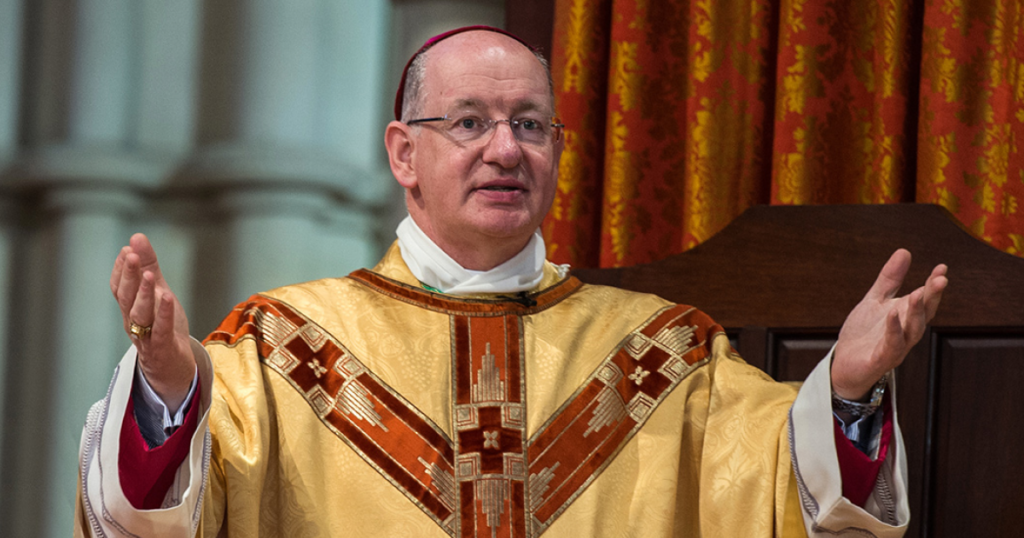
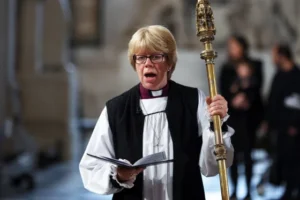
Archbishop of Westminster
The Appointment Nobody Noticed (But Should Have)
Most people didn’t pay attention when the Pope appointed a new Archbishop of Westminster. Why would they? Unless you’re Catholic, British, or really into ecclesiastical politics, the news probably didn’t even register.
Here’s why that’s a mistake: The Archbishop of Westminster is basically the head of the Catholic Church in England and Wales. Not officially—that’s the Pope—but practically. This person leads one of the most influential dioceses in the English-speaking Catholic world, oversees a massive and diverse congregation, and wields considerable moral authority in British public life.
And the latest appointment represents something significant: a generational shift in church leadership that might actually matter.
Not because of who the person is specifically—though that’s relevant. But because of what the appointment signals about where the Catholic Church is trying to go, what it’s willing to change, and what it absolutely refuses to budge on.
This is the story of how leadership transitions in ancient institutions, what “generational shift” actually means when the institution in question is two thousand years old, and why the new Archbishop of Westminster’s job is basically impossible.
Spoiler: It involves navigating between tradition-loving conservatives who think Vatican II was a mistake, progressive reformers who think the church needs to catch up with the 21st century, and a declining congregation that’s increasingly tuning out both groups.
No pressure.
What Does an Archbishop Actually Do?
Let’s start with basics, because “Archbishop of Westminster” sounds important but most people have no idea what it actually entails.
The Archbishop oversees the Diocese of Westminster, which includes much of London and surrounding areas. This means spiritual leadership for hundreds of parishes, administrative oversight of Catholic schools and hospitals, coordination of charitable work, and serving as the public face of Catholicism in England.
But it goes beyond administrative duties. The Archbishop is expected to:
Provide moral leadership on societal issues. When British politicians are debating healthcare, immigration, economic policy, or social issues, the Archbishop often weighs in from a Catholic perspective. These interventions can influence public opinion and political debate.
Navigate internal church politics. Different factions within Catholicism want different things. Traditional Latin Mass enthusiasts, charismatic renewal movements, social justice advocates, conservative moral theologians—they all have agendas, and the Archbishop has to manage these competing visions.
Represent English Catholicism globally. The Archbishop participates in international church gatherings, advises the Vatican on English-speaking concerns, and serves as a bridge between local practice and universal church teaching.
Keep the institution functioning. Parishes need priests. Schools need funding. Scandals need managing. The bureaucratic reality of running a major religious organization is unglamorous but essential.
Inspire the faithful. At the end of the day, this is supposed to be spiritual leadership. People need to feel their faith matters, that the church offers something meaningful. The Archbishop has to embody and communicate that.
It’s an impossible job, honestly. You’re trying to maintain ancient traditions while adapting to modern realities, preserve doctrinal purity while showing pastoral compassion, speak prophetically while not alienating your congregation, manage institutional decline while projecting confidence and hope.
And you’re doing all this while the Catholic Church is hemorrhaging members, facing ongoing scandal fallout, dealing with cultural irrelevance, and navigating internal divisions that threaten to fracture the institution.
Fun times.
Meet the New Boss (Probably Not Same as the Old Boss)
The specifics of who got appointed matter less than what the appointment represents.
Traditionally, Archbishops of Westminster came from a particular mold: older, theologically conservative, institutionally loyal, diplomatic in temperament. They represented continuity, stability, the church as it had always been.
The new appointment suggests a shift—not radical, the Catholic Church doesn’t do radical, but noticeable. Younger (relatively—we’re talking Catholic hierarchy, where “young” might mean 50s instead of 70s). More engaged with contemporary issues. Willing to prioritize pastoral care over doctrinal rigidity. Comfortable with interfaith dialogue and social justice work.
This represents the Pope’s broader strategy for the church: maintain core teachings while changing tone and emphasis. You can’t compromise on doctrine—that’s non-negotiable. But you can change how you talk about it, who you prioritize in ministry, what issues you emphasize.
So the new Archbishop likely won’t support women’s ordination or same-sex marriage—those are settled doctrinal issues in Catholic teaching. But might emphasize welcoming LGBTQ+ people rather than condemning them. Might focus more on environmental justice and poverty than on sexual ethics. Might speak more about encounter and mercy than about rules and judgment.
This is the “Pope Francis approach”—maintain orthodoxy while radically shifting pastoral emphasis. And it drives traditional Catholics absolutely insane because they can’t point to specific doctrinal deviations but can feel the entire orientation of the church changing.
The Generational Fault Line
Here’s what “generational shift” actually means in this context:
Older Catholic leadership grew up in a church that was culturally dominant, institutionally powerful, and theologically certain. The church had answers. Society should listen. Dissent was error.
Younger Catholic leadership grew up in a church that’s culturally marginal, institutionally embattled, and forced to justify itself. The church has wisdom to offer but must make its case. Society won’t automatically defer. Meeting people where they are matters more than demanding they come to you.
This isn’t just about age—it’s about fundamentally different experiences of what it means to be Catholic in the modern world.
For older leaders, the problem is that the church compromised too much with modernity, watered down its message, lost its distinctiveness. The solution is reasserting traditional teaching and practice.
For younger leaders, the problem is that the church failed to adequately engage with modernity, seemed irrelevant and judgmental, lost credibility through scandal and rigidity. The solution is reformed emphasis—not changed doctrine, but different priorities.
The new Archbishop represents this second perspective. Not abandoning tradition but reimagining how to make it speak to contemporary people.
This terrifies traditionalists. They see capitulation, compromise, the thin edge of the wedge that leads to full-scale departure from Catholic teaching.
It frustrates progressives. They see half-measures, cosmetic changes that don’t address fundamental problems like women’s exclusion from priesthood or the church’s stance on sexuality.
And it confuses the middle. They’re not sure what’s actually changing, whether this represents meaningful reform or just better PR.
The English Catholic Context
To understand what the new Archbishop faces, you need to understand English Catholicism specifically.
Catholics were a persecuted minority in England for centuries. Penal laws, discrimination, social marginalization. Catholics couldn’t vote, hold office, attend university. Being openly Catholic could cost you everything.
That only changed in the 19th century. And even then, Catholicism carried stigma. It was the religion of Irish immigrants, of the working class, of people not quite fully British.
Over the 20th century, this gradually shifted. Catholics became more integrated, more socially accepted. But the church maintained a certain embattled self-understanding—we’re the faithful remnant, holding to truth while the broader culture goes astray.
Now English Catholicism faces a different crisis: irrelevance. Declining attendance, aging congregations, inability to attract young people, competition from both secularism and more vibrant evangelical churches.
The new Archbishop has to navigate all this history while addressing present challenges. How do you honor the faithful who maintained Catholicism through centuries of persecution while also acknowledging the church needs to change? How do you preserve what makes Catholicism distinctive while becoming more accessible and relevant?
There’s no playbook for this. You’re managing institutional decline while trying to inspire renewal. You’re representing timeless truth while adapting to cultural change. You’re leading people who want completely different things from their church.
The Impossible Balancing Act
Let’s talk about the contradictory demands the new Archbishop faces:
Traditionalists want: Latin Mass, clear moral teaching, strong opposition to cultural trends like gender ideology and sexual permissiveness, emphasis on doctrine and tradition, resistance to what they see as compromise with secular modernity.
Progressives want: Greater inclusion of LGBTQ+ people, reconsideration of women’s roles, less emphasis on sexual ethics and more on social justice, engagement with contemporary theology and biblical scholarship, meaningful structural reform.
The middle wants: Spiritual nourishment without political warfare, community without judgment, guidance without rigidity, a church that feels welcoming and relevant while maintaining some connection to tradition.
The Vatican wants: Maintain doctrinal orthodoxy, project institutional unity, avoid scandal, manage the tension between local adaptation and universal teaching.
British society wants: The church to stay in its lane, provide social services, contribute to moral discourse without imposing on others, clean up its abuse scandals, and generally not make trouble.
How do you satisfy all these constituencies simultaneously? You don’t. You can’t. The job is inherently about choosing which groups to disappoint and how much.
The new Archbishop’s approach will likely involve:
- Maintaining official doctrine (no change on women’s ordination, sexuality, etc.)
- Shifting pastoral emphasis (less condemnation, more accompaniment)
- Prioritizing some issues over others (poverty and justice over sexual ethics)
- Creating space for diverse expressions within bounds of orthodoxy
- Focusing on personal encounter and community over institutional loyalty
This won’t satisfy anyone completely. Traditionalists will see betrayal. Progressives will see inadequate reform. The middle will appreciate the gentler tone but wonder if it changes anything substantial.
The Demographic Death Spiral
Here’s the reality nobody wants to fully acknowledge: the Catholic Church in England is dying. Slowly, but measurably.
Mass attendance declining. Younger generations leaving. Fewer vocations to priesthood. Parishes closing. Schools struggling. The whole institutional infrastructure built over centuries is contracting.
This isn’t unique to Catholicism—all mainstream Christianity in the West faces this. But for Catholics, it’s particularly challenging because the church’s identity is so tied to being a universal, institutional presence.
The new Archbishop can’t stop this decline through better leadership. The forces driving it—secularization, cultural change, scandal fallout, generational shifts—are too large.
What leadership can do is manage the decline gracefully, preserve what’s valuable, adapt what can be adapted, and try to create conditions where renewal becomes possible.
This means making hard choices:
- Which parishes to close or merge
- How to deploy limited priestly resources
- Whether to prioritize maintaining institutions (schools, hospitals) or focus on core religious functions
- How much to compromise with secular culture to remain relevant versus maintaining distinctiveness
- Whether to aim for a smaller but more committed church or try to retain nominal members
Each choice alienates someone. Each represents a kind of loss. You’re not building—you’re managing contraction while hoping for eventual renewal.
It’s depressing work, frankly. You’re presiding over institutional decline while trying to maintain hope and project confidence.
What Actually Might Change
So given all these constraints, what might actually be different under new leadership?
Tone: Expect more emphasis on mercy, accompaniment, meeting people where they are. Less fire and brimstone, more invitation and encounter.
Priorities: Likely more focus on social justice issues—poverty, immigration, environment—and less on culture war battles over sexuality.
Pastoral approach: Greater flexibility in how priests deal with messy real-life situations—divorced and remarried Catholics, LGBTQ+ families, people in complicated circumstances who don’t fit neat categories.
Public voice: The Archbishop will probably speak less about what Catholics are against and more about what they’re for. Less oppositional, more constructive.
Interfaith engagement: More collaboration with other religious traditions, more emphasis on what’s shared rather than what divides.
Youth focus: Attempts to make Catholicism more accessible and relevant to younger generations through different forms of worship, community, and engagement.
None of this represents doctrinal change. The church’s official teachings on contested issues won’t shift. But the emphasis, tone, and pastoral application might feel quite different.
This is the Francis playbook: maintain orthodoxy while completely reorienting everything else.
The Question Nobody’s Asking
Here’s what I think we’re missing in all the analysis of this appointment:
Does any of this actually matter?
I don’t mean that cynically. I mean: Can leadership changes in a hierarchical institution with fixed doctrines really address the fundamental challenges facing the church?
The problems aren’t primarily about leadership style or pastoral emphasis. They’re about:
- Whether ancient doctrines can speak meaningfully to contemporary people
- Whether hierarchical institutional structures can function in democratic, egalitarian cultures
- Whether religious truth claims remain credible in a scientific, pluralistic age
- Whether communities built on shared belief can survive when shared belief is rare
A better Archbishop can’t solve these problems. They’re too big, too fundamental, too tied to cultural forces beyond any individual’s control.
What better leadership can do is make the decline less painful, preserve what’s valuable, create space for the faithful remnant, and maintain the possibility that renewal might emerge from unexpected places.
That’s not nothing. It’s important work. But it’s not the same as actually reversing decline or solving fundamental problems.
Maybe that’s okay. Maybe the church’s role in this era isn’t to be dominant or even particularly relevant by worldly standards. Maybe it’s to maintain witness, preserve tradition, serve the faithful who remain, and trust that God’s purposes aren’t dependent on institutional success.
That’s a very Catholic understanding, actually. The church has survived barbarian invasions, internal schisms, massive scandals, cultural upheavals. It’s still here. Maybe endurance matters more than adaptation.
The Ending Without Resolution
So the Catholic Church has a new Archbishop of Westminster. What happens now?
Probably not that much, honestly. The challenges remain. The contradictions persist. The decline continues. Leadership matters, but it’s not determinative.
What the appointment signals is a church trying to adapt while maintaining what it considers non-negotiable. Trying to be relevant without compromising. Trying to speak to contemporary people in contemporary language while preserving ancient truth.
Whether this is possible remains an open question. The traditionalists think it’s capitulation in disguise. The progressives think it’s inadequate tinkering. The secular world thinks it’s rearranging deck chairs on the Titanic.
Maybe they’re all partially right.
Or maybe something unexpected happens. Maybe the gentler tone creates space for genuine encounter. Maybe focusing on justice over judgment attracts people who’d written off religion. Maybe humbler, more pastoral leadership actually works better than institutional triumphalism.
The Catholic Church has surprised people before. It’s survived things that should have killed it. It’s produced renewal in unexpected ways. Maybe this generational shift in leadership is the beginning of something genuinely new.
Or maybe it’s just a slightly different flavor of institutional decline.
Either way, the new Archbishop of Westminster has an impossible job. Maintaining tradition while enabling change. Preserving orthodoxy while showing pastoral flexibility. Leading an institution in decline while projecting hope and confidence.
Nobody should envy this position. But maybe, just maybe, it’s exactly the kind of challenge that produces the kind of leadership the church actually needs.
We’ll see. Check back in ten years.
The Archbishop’s job is to hold things together while everything’s falling apart, to speak ancient truth in contemporary language, to lead people who want to go in opposite directions.
Impossible? Yes.
Important? Also yes.
And that’s the Catholic Church in the 21st century: impossibly difficult, increasingly marginal, stubbornly persistent.
The new Archbishop of Westminster gets to embody all that complexity.
Lucky them.