The Hidden Truth: How Assemblies of God Churches Shielded Accused Predators
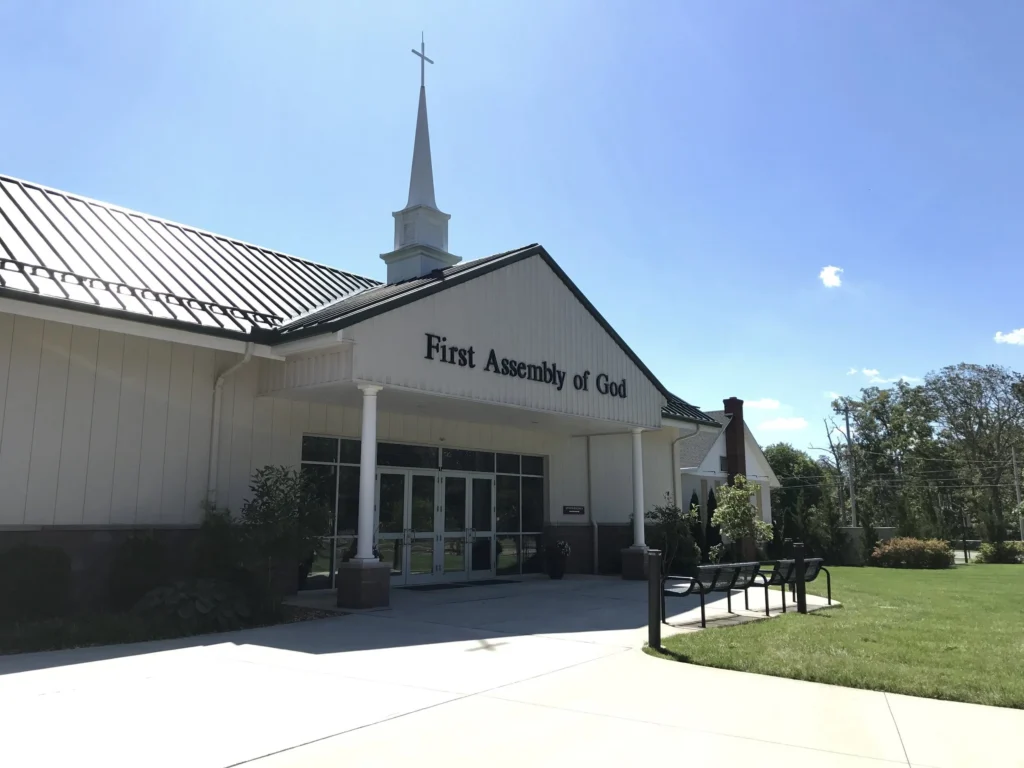
Assemblies of God Church
Introduction to the Assemblies of God
The Assemblies of God is a prominent evangelical Christian denomination that emerged in the early 20th century, primarily during the Pentecostal revival movement. Founded in 1914 in Hot Springs, Arkansas, the denomination was established as a response to the growing demand for a spirit-filled, experiential approach to Christianity. It has since evolved into one of the largest Pentecostal groups in the world, with millions of adherents in numerous countries.
The core beliefs of the Assemblies of God are rooted in the authority of Scripture, the necessity of personal salvation through faith in Jesus Christ, and the baptism of the Holy Spirit with the evidence of speaking in tongues. This emphasis on experiential faith has contributed to a vibrant worship culture that focuses on spiritual gifts and the active presence of the Holy Spirit. Additionally, Assemblies of God churches advocate strong family values, which have been emphasized through various church programs and community initiatives.
In terms of organizational structure, the Assemblies of God operates with a decentralized model that allows individual churches significant autonomy. Each congregation is generally governed by a local board and pastor, elected by the church membership. However, these churches are connected through a national fellowship, which provides resources, guidance, and doctrinal oversight. The collective ethos promotes a strong sense of community, fostering relationships among congregations and a shared mission of evangelism and discipleship.
Understanding the culture within the Assemblies of God is essential, particularly when examining issues surrounding accountability and transparency. The focus on family values and community ties can create an environment where allegations of misconduct may be downplayed or inadequately addressed. Recognizing these dynamics is crucial to grasping the complexities surrounding abuse allegations within the denomination.
The Impact of Predatory Behavior in Religious Institutions
Predatory behavior within religious institutions, including Assemblies of God churches, has ramifications that extend far beyond individual incidents of abuse. Such behavior deeply impacts congregations, survivors, and the overarching reputation of the religious community. For many believers, places of worship are intended to serve as sanctuaries of faith and support. However, when predatory behavior emerges, these spaces may transform into environments of fear and mistrust.
The psychological toll on survivors of abuse can be profound. Many individuals experience a range of emotional responses, including betrayal, shame, and isolation. Reports indicate that a significant percentage of survivors may face long-term mental health challenges, such as depression, anxiety, and post-traumatic stress disorder (PTSD). These issues can hinder their ability to engage in faith practices, subsequently affecting their relationship with their wider community. Furthermore, the stigma associated with being a survivor in a religious context often exacerbates these feelings of alienation.
Statistics illustrate the extent of predatory behavior in religious settings. While exact figures can be challenging to ascertain due to underreporting, studies have shown that over one in four women and one in six men report experiencing some form of sexual abuse before the age of 18. Notably, religious institutions rank among those with higher instances of abuse, a reality that calls for increased accountability within these organizations. Survivors often share their experiences in public forums and literature, shedding light on the traumatic effects of abuse within a faith setting.
The ramifications of predatory behavior extend to congregational dynamics as well, with many faithful grappling with the impact on their community’s credibility and trust. The reputational damage to religious organizations can hinder their outreach and personal connections with the congregation, leading to decreased attendance and participation.
Patterns of Abuse: Case Studies in Assemblies of God Churches
The Assemblies of God (AG) churches have faced significant scrutiny regarding their handling of abuse allegations. Several case studies illustrate disturbing patterns that raise concerns about how these incidents were managed. One prominent case involved a youth pastor in a large Assemblies of God congregation who was accused of molesting minors for over a decade. Despite numerous reports from victims and concerned parents, church leadership failed to take decisive action. Instead of facilitating a thorough investigation, they chose to transfer the pastor to a different location within the church, allowing the abuse to continue.
Another troubling example occurred in a family-oriented Assemblies of God community where a senior pastor was implicated in multiple allegations of sexual misconduct. The timeline reveals a consistent pattern where victims’ accusations were dismissed by church officials, arguing that they needed more evidence or that the allegations could harm the church’s reputation. This denial of accountability extended over several years, during which numerous victims remained silent out of fear or a lack of faith in church leadership.
The responses from AG church officials were often characterized by a focus on protecting the institution rather than supporting victims. In several instances, victims were encouraged to forgive their abusers and were met with judgment rather than compassion. This approach not only exacerbated the trauma experienced by the victims but also perpetuated a culture of silence within the church. The systemic failures to address these allegations highlight the need for reform in how religious organizations respond to reports of abuse.
These case studies reveal an unsettling reality: the Assemblies of God churches have, in various instances, prioritized their image over the safety and well-being of individuals. The patterns of abuse and inadequate responses from church authorities illustrate the urgent necessity for transparent reporting processes and a commitment to protecting victims, ensuring that justice is served.
The Culture of Silence: How Churches Protect Predators
Religious institutions, including Assemblies of God churches, often foster a culture of silence that can act as a protective barrier for accused predators. This phenomenon is frequently driven by a desire to maintain the church’s reputation and the belief that public shame could overshadow the core spiritual mission. The emphasis on forgiveness over accountability can provide a conducive environment for perpetrators to evade consequences for their actions, with the focus often placed on the importance of healing rather than addressing the wrongdoing.
Victims within these communities frequently encounter significant pressure to remain silent regarding their experiences. Fear of ostracization from their faith community, potential backlash, and the prevailing notion that they should forgive those who have wronged them can lead to a reluctance to come forward. This silence becomes complicit in enabling abuse, as it prevents openness about the misconduct occurring within the church bounds. Many victims find themselves grappling with doubts, amplified by a narrative that prioritizes the church’s image over the safety and well-being of individuals.
Insights from former church leaders and whistleblowers reveal a troubling reality where the instinct to protect the institution often supersedes the need for justice. These individuals have courageously shed light on the internal mechanisms that uphold this culture of silence. They articulate a disheartening picture where genuine engagement with the issues of accountability and transparency is stifled by a prevailing fear of tarnishing the church’s image. As a result, the complex dynamics within congregations can create an environment where predators thrive, shielded by a network that values the institution above the safety of its members.
The Role of Church Governance in Addressing Allegations
The governance structures of Assemblies of God churches are pivotal in shaping the response to allegations of misconduct and abuse. Each church operates under a unique governance model, which can result in significant inconsistencies in how cases are addressed. Typically, Assemblies of God churches adhere to a congregational governance style, where local church leadership holds considerable autonomy. This localized structure means that the response to abuse allegations can vary widely from one congregation to another.
Moreover, many Assemblies of God churches lack standardized protocols for reporting and investigating allegations of abuse. While larger governing bodies may issue guidelines, individual churches often develop their own policies, which can lead to discrepancies in the handling of abuse cases. This absence of a uniform approach may leave victims unsure of the proper channels to report allegations, potentially dissuading them from coming forward. In some instances, allegations may not be adequately investigated, as the process often relies heavily on the discretion of church leaders and the pastoral authority they wield.
This reliance on pastoral authority further complicates matters. In churches where the pastor holds significant influence over the congregation and decision-making processes, allegations may be treated with a degree of bias. Victims may feel pressured to remain silent, fearing repercussions from those in leadership. Consequently, this dynamic can create an environment where the protection of the church’s reputation is prioritized over the needs of victims. Such an environment can hinder transparency and accountability, ultimately exposing the church community to greater risks. The lack of oversight from higher levels within the Assemblies of God structure often results in an insufficient response to abuse allegations, emphasizing the need for reform in governance practices to ensure the safety and well-being of all congregants.
Legal Ramifications and Accountability
The legal implications surrounding Assemblies of God churches that have allegedly shielded accused predators are both profound and complex. Legal accountability encompasses various dimensions, including notable lawsuits that have emerged as a response to these grave offenses. One significant case highlighted in recent years involved allegations of sexual abuse within a church, leading to a substantial settlement that raised awareness about internal practices regarding reporting and accountability. As these cases unfold, they reveal a pressing need for reform and a reevaluation of the obligations churches have towards victims and the public.
In addition to individual lawsuits, legal reforms have emerged as a proactive measure to enhance protections for victims and prevent future abuses within faith-based organizations. Legislative bodies have introduced laws aimed at dismantling ecclesiastical privilege that often allows religious institutions to operate with limited oversight. These reforms include mandatory reporting laws, which create a legal obligation for clergy to report suspected abuse to civil authorities, thereby bridging the gap between church law and secular law and prioritizing victim rights.
The interplay between church law and secular law remains a pivotal aspect of this dialogue. Many Assemblies of God churches hold traditional beliefs regarding confidentiality and pastoral care, which may conflict with legal standards designed to protect vulnerable populations. This tension has prompted courts to examine the legal status and accountability of church leaders in cases where allegations have surfaced. Furthermore, advocacy groups are emphasizing the necessity for restorative justice frameworks that prioritize the healing of victims while holding perpetrators and enabling institutions accountable for their roles in facilitating abuse.
Ultimately, as legal landscapes continue to evolve, it is imperative for Assemblies of God churches to engage fully with these reforms and prioritize transparency and victim support, ensuring that allegations are taken seriously and addressed appropriately to foster a culture of accountability.
Survivor Stories: Voices from the Shadows
The experiences of individuals who have endured abuse within Assemblies of God churches are not merely statistics; they are poignant narratives filled with pain, resilience, and ultimately, a quest for healing. Many survivors faced immense challenges when coming forward with their stories. The fear of disbelief, shame, and ostracism often kept them silent for years. Some reflect on how their church communities, which were once viewed as safe havens, became sources of fear and trauma.
Survivors often describe the inner turmoil they experienced, battling feelings of isolation and invisibility. One individual recounted how the environment within their church discouraged open dialogue about abuse, which created an atmosphere where predators could operate unchecked. This silence not only perpetuated the abuse but also left victims feeling as if their pain did not matter. The struggle to reconcile their faith with their traumatic experiences has been a significant hurdle for many, often leading to spiritual disconnection.
Nevertheless, many survivors have embarked on courageous journeys toward healing. They have sought therapy, engaged in peer support groups, and some have bravely shared their stories with the public, becoming advocates for change within the church community. These voices emphasize the necessity for transparency and accountability within religious institutions. Survivors have expressed the importance of creating supportive environments that prioritize victim empowerment over institutional protection. Their stories are essential in fostering empathy and understanding, showcasing the urgent need for reform to protect the vulnerable.
In lifting these voices from the shadows, the complexities of their experiences come to light. Their collective courage serves as a powerful reminder of the ongoing fight for justice and healing within the Assemblies of God churches and beyond.
Towards a Safer Future: Reforms and Protecting Children
The protection of children within Assemblies of God churches is of paramount importance and necessitates ongoing reform efforts. These initiatives aim to enhance child safety and ensure that environments are secure for all families participating in church activities. Several organizations have developed programs designed to strengthen child protection frameworks, ensuring that policies are in place to prevent abuse and address any incidents that may arise.
Many congregations have implemented best practices that serve as a model for safeguarding children. These practices often include comprehensive background checks for all church staff and volunteers, ensuring that individuals with a history of abusive behavior are not allowed access to children. Furthermore, establishing clear reporting procedures encourages congregants to voice concerns and report suspicious activities without fear of retribution. This transparency is vital in rebuilding trust within the community.
Experts advocate for regular training sessions focused on child protection for all church personnel. Such training emphasizes recognizing signs of abuse and understanding mandatory reporting laws. By equipping staff with the knowledge and skills needed to identify and act upon potential warnings of abuse, churches can foster a culture of vigilance that prioritizes children’s safety.
Additionally, creating partnerships with external child advocacy organizations can provide congregations with resources and support in their reform efforts. Collaborating with specialists in child protection helps to ensure that the policies adopted align with best practices recognized across various sectors. As Assemblies of God churches continue to confront the challenges presented by past incidents, fostering an open, educational environment that promotes accountability is vital in shaping a safer future for all members.
Conclusion: A Call for Transparency and Change
In examining the troubling history of how Assemblies of God churches have handled allegations against accused predators, it becomes clear that a shadow of silence and complicity has often overshadowed the principles of justice and accountability. Throughout this discussion, we have highlighted the need for open dialogue regarding past and present policies within these congregations. It is imperative for church leaders to acknowledge the roles they play in protecting their communities and fostering a culture that values transparency.
Moving forward, we must collectively challenge the status quo that has, unfortunately, allowed such behavior to persist unchecked. This necessitates a commitment from both church leaders and members to advocate for reforms that hold individuals accountable for their actions while also prioritizing the safety and well-being of congregants, especially vulnerable populations. Survivors of abuse must be empowered to share their stories without fear of retribution or dismissal, fostering an environment where healing can blossom.
The call for change is not just about confronting the past but involves creating systems of support that can prevent future tragedies. Establishing comprehensive guidelines for reporting allegations, providing resources for support, and encouraging a culture of accountability are essential steps towards transformation. These measures will not only protect individuals but will also help restore trust in religious institutions.
Lastly, it is crucial to promote safe spaces for discussion within the church community. By openly addressing these painful realities, Assemblies of God churches can begin to shift their focus from shielding offenders to supporting victims. Change starts with recognizing the importance of transparency and fosters a healthier church environment for all. Through collective action, we can work towards ensuring that the tragedies of the past are never repeated and that every individual feels safe within their place of worship.